What happened
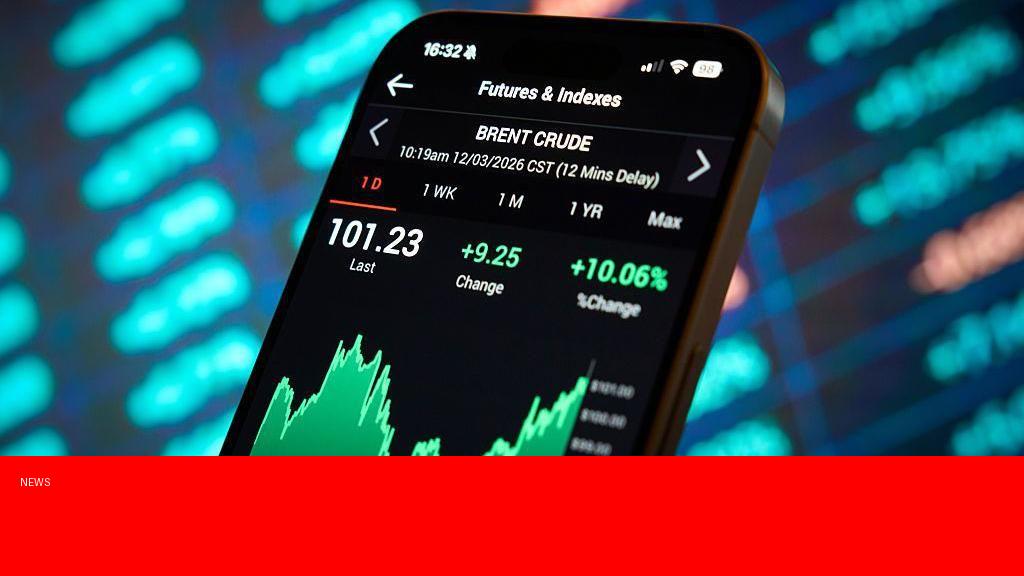
The intricate relationship between former President Donald Trump’s policies and statements and the fluctuations in global oil markets has been mapped out, revealing a synchronized pattern often likened to a dance. Analysis using six key charts illustrates how moves by Trump, whether through tweets, policy announcements, or trade negotiations, have correlated strongly with shifts in oil prices and market sentiment throughout his time in office and afterwards.
Why it matters
Understanding this dynamic is crucial for investors, policymakers, and economists alike because it highlights how political leadership can directly sway commodity markets. Trump’s unique style of direct communication and aggressive trade policies introduced new kinds of volatility and responsiveness in the oil sector. Recognizing these trends can help market participants better anticipate price movements and adjust strategies in response to political signals, reducing uncertainty and managing risk better.
Background
During Donald Trump’s presidency from 2017 to 2021, oil markets experienced significant volatility influenced by several factors including U.S. sanctions, production policies, and geopolitical tensions. Trump’s frequent use of Twitter as a platform for political communication often caused rapid market reactions. Coupled with OPEC production decisions and global supply-demand dynamics, the interplay shaped a “tango” that linked political narratives with oil price trajectories. Analysts have now visually compiled these interactions into six charts, offering a clearer picture of this ongoing interaction.
Questions and Answers
Q: How did Trump’s tweets influence the oil markets?
A: Trump’s tweets often triggered immediate market reactions by signaling potential policy changes or expressing opinions on trade and sanctions, causing spikes or drops in oil prices almost instantly.
Q: Which charts best illustrate the relationship?
A: Charts demonstrating price volatility aligned with key Trump announcements, and those tracing supply-demand shifts alongside trade negotiations, best showcase the connection.
Q: Did these market movements affect global oil production?
A: Yes, changes in oil prices influenced production decisions both in the U.S. and internationally, as producers adjusted output in response to market signals shaped by Trump’s policies.
Q: Is this synchronization between a political figure and commodity markets common?
A: While political influence on commodities is typical, the direct and frequent correlation seen during Trump’s tenure is unusually pronounced due to his communication style and policy approach.
Q: Will this pattern likely continue in the current political climate?
A: Market sensitivity to political cues remains high, but the unique “tango” seen with Trump’s personal style may not replicate precisely with other leaders moving forward.
Source: https://www.bbc.com/news/articles/cvgk8zk9epgo?at_medium=RSS&at_campaign=rss