What happened
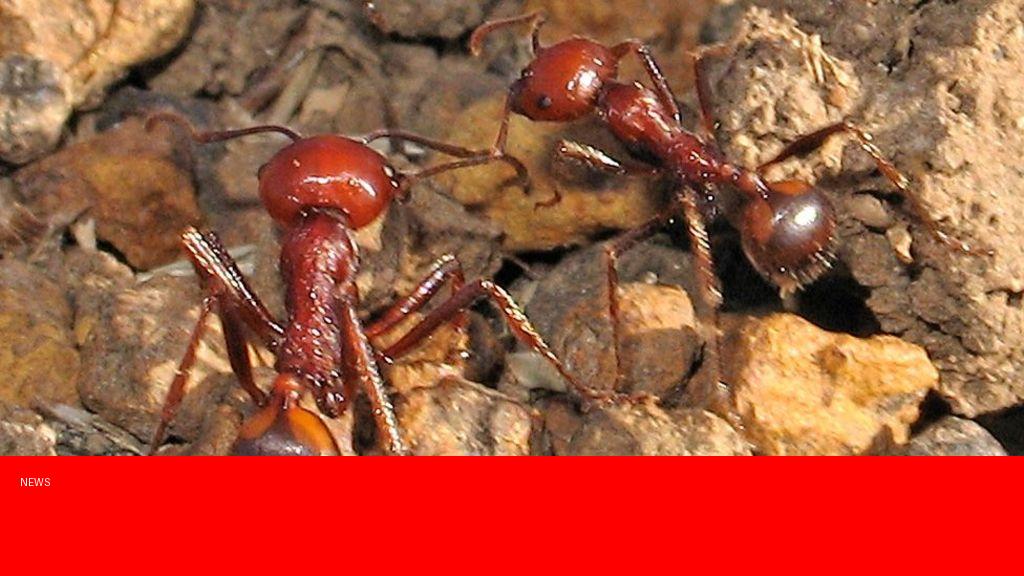
A single ant was recently sold for an astonishing $220, highlighting a growing and alarming trend in wildlife trafficking. This specific sale took place at an online auction that deals in rare and exotic creatures, drawing attention to the high demand and exorbitant prices paid for uncommon insects. Experts warn that such transactions, while seemingly minor, contribute significantly to the illegal wildlife trade and threaten biodiversity.
Why it matters
The high price attached to a single ant illustrates a new frontier in wildlife trafficking, where even insects are being commodified and exploited. This trend endangers fragile ecosystems, as the removal of species can disrupt ecological balances and accelerate species decline. Moreover, the lucrative market incentivizes poaching and illegal trading operations, which are notoriously difficult to monitor and regulate. Conservationists fear that if this practice continues unchecked, it could lead to the extinction of vulnerable insect species.
Background
Wildlife trafficking traditionally focused on larger animals, such as ivory from elephants or exotic reptiles. However, recent years have seen a shift toward smaller creatures, including exotic insects prized by collectors for their rarity and unique attributes. Insects like ants, beetles, and butterflies have become increasingly valuable on the black market, driven partly by social media fascination and private collectors. While laws exist to protect many species, enforcement is inconsistent, and illegal trade persists globally, facilitated by online platforms.
Questions and Answers
Q: Why are ants being sold for such high prices?
A: Certain ant species are rare or possess unique characteristics that make them highly desirable to collectors, driving up their market value.
Q: How does the trade in insects impact ecosystems?
A: Removing insects in large numbers can disrupt food chains, pollination, and soil health, leading to negative consequences for the broader environment.
Q: Are there international laws preventing this type of trafficking?
A: Yes, but many insects are not covered comprehensively by existing wildlife protection treaties, making enforcement difficult.
Q: What steps can be taken to combat illegal insect trade?
A: Strengthening legal protections, increasing monitoring of online sales platforms, and raising public awareness are key measures to combat this issue.
Q: Is purchasing rare ants legal?
A: It depends on the species and local regulations; buying protected species without permits is illegal in many regions.
Source: https://www.bbc.com/news/articles/cg4g44zv37qo?at_medium=RSS&at_campaign=rss