What happened
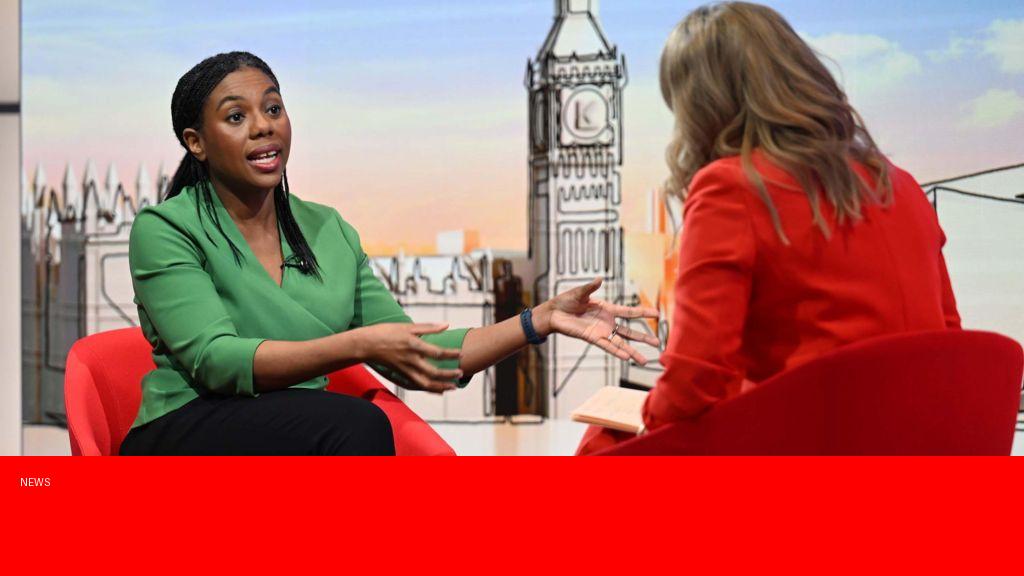
Energy Secretary Kemi Badenoch has called for the government to prioritize cutting taxes on energy bills before issuing financial bailouts to energy companies. During a recent parliamentary session, Badenoch emphasized that reducing the tax burden on consumers would be a more immediate and effective way to ease the cost-of-living pressures faced by households. She argued that direct tax relief would help lower energy costs directly for families rather than funneling money into bailouts for struggling energy firms.
Why it matters
Badenoch’s stance highlights a significant shift in the approach to tackling the ongoing energy crisis. With high inflation and rising energy prices straining household budgets, this proposal aims to provide quicker financial relief to consumers. Cutting taxes on energy bills could decrease monthly expenses for millions, potentially mitigating economic hardship and reducing public outcry. It also sparks debate about the best method to stabilize the energy market while protecting vulnerable consumers, influencing government policy decisions and political discourse.
Background
The UK has faced soaring energy prices due to a combination of geopolitical tensions, supply chain disruptions, and increased demand post-pandemic. The government has so far responded with targeted bailouts to certain energy companies to prevent their collapse and ensure continued energy supply. Concurrently, there has been growing public demand for direct financial relief, such as tax cuts or subsidies, to address the immediate impact on household bills. Badenoch’s comments come amid broader discussions about the balance between market intervention and consumer protection in the energy sector.
Questions and Answers
Q: Why does Badenoch prefer tax cuts over bailouts?
A: She believes cutting taxes on energy bills provides more direct and immediate relief to consumers, whereas bailouts primarily support energy companies and may not lower prices quickly.
Q: What taxes would be cut under Badenoch’s proposal?
A: The proposal focuses on reducing or suspending taxes applied to energy consumption, such as VAT on energy bills or the energy price cap’s associated levies.
Q: How might taxpayers be affected by this approach?
A: Tax cuts on energy bills could reduce government revenue, potentially leading to budget adjustments elsewhere or increased borrowing.
Q: Are there risks to not providing bailouts to energy companies?
A: Without financial support, some energy firms may face insolvency, which could disrupt supply and increase market volatility.
Q: Has the government responded to Badenoch’s suggestion?
A: As of now, government officials have acknowledged the proposal but have not committed to specific tax cuts, continuing to evaluate all options amid the energy crisis.
Source: https://www.bbc.com/news/articles/c1d941vw172o?at_medium=RSS&at_campaign=rss