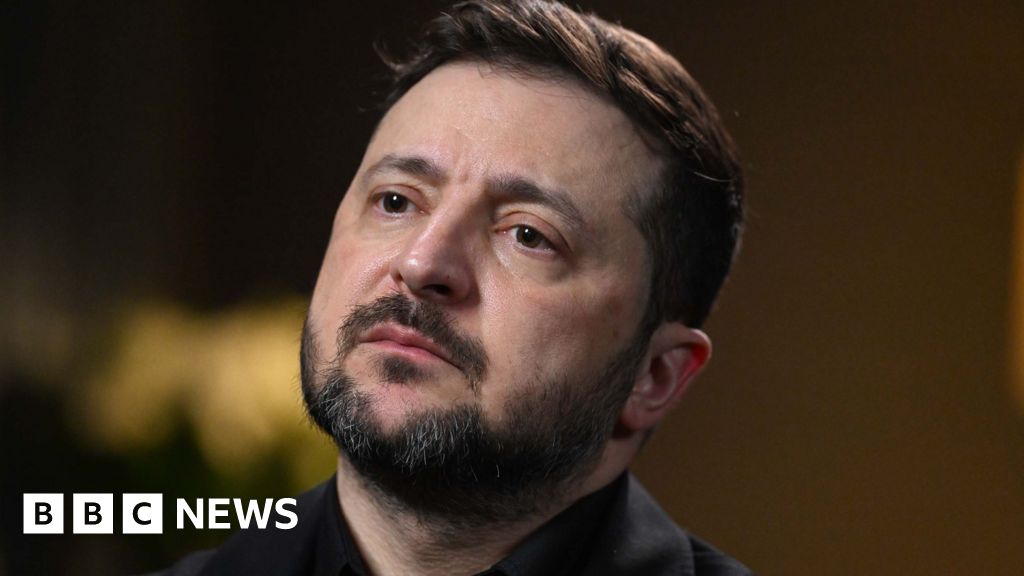
**Zelensky calls for Trump and Starmer to meet and find common ground**
Ukrainian President Volodymyr Zelensky has urged former U.S. President Donald Trump and British Prime Minister Keir Starmer to meet and seek common ground, as Kyiv continues pressing allies to maintain coordinated support for Ukraine amid the ongoing war with Russia.
Zelensky’s appeal comes at a time of uncertainty over the future direction of Western backing for Ukraine, particularly as political debates in the United States and Europe increasingly shape foreign policy. His comments reflect Ukraine’s broader effort to keep major Western powers aligned, despite differences in tone, priorities and domestic political pressures.
## What happened
Speaking publicly about the importance of allied unity, Zelensky said Trump and Starmer should hold direct talks in order to bridge differences and strengthen cooperation on major international issues, including the war in Ukraine and European security.
While Zelensky did not outline a specific agenda for such a meeting, his remarks appeared aimed at reducing friction between key political figures whose positions could influence future military, financial and diplomatic support for Kyiv.
Trump, the Republican presidential figure and former U.S. president, has repeatedly said he could bring the war to a quick end, though he has offered limited detail on how he would do so. Starmer, Britain’s prime minister, has backed continued support for Ukraine and has emphasized the UK’s commitment to European security and NATO cooperation.
Zelensky’s call suggests concern that diverging political approaches among Ukraine’s allies could weaken the united front that Kyiv has relied upon since Russia’s full-scale invasion in 2022.
## Why it matters
Ukraine’s ability to resist Russian forces depends heavily on support from Western allies, especially the United States and Britain. Any visible political gap between leading Western figures can create uncertainty for Kyiv and may also be watched closely in Moscow.
By encouraging dialogue between Trump and Starmer, Zelensky is seeking to reinforce the message that transatlantic unity remains essential. A meeting between the two could help clarify where they agree on defense, diplomacy and security, even if they differ on style or policy details.
The issue matters beyond Ukraine as well. The war has become a defining test of Western cohesion, NATO’s relevance and Europe’s long-term security strategy. If major allies begin to move in different directions, it could affect not only Ukraine’s battlefield position but also broader confidence in Western alliances.
## Background context
Since Russia launched its full-scale invasion of Ukraine in February 2022, Kyiv has relied on a coalition of Western partners for weapons, training, intelligence and financial aid. The United States has been the single most important provider of military assistance, while the United Kingdom has been among Ukraine’s strongest and most vocal backers in Europe.
However, support for Ukraine has increasingly become entangled in domestic politics. In the United States, Trump and some Republican allies have questioned the scale and duration of aid, arguing that Washington should focus more on domestic concerns and press for a negotiated settlement. Critics of that approach say a reduction in support would embolden Russia.
In Britain, Starmer’s government has maintained broad support for Ukraine, continuing a policy that has drawn backing across much of the British political spectrum. London has framed assistance to Kyiv as both a moral obligation and a matter of national and European security.
Zelensky has consistently worked to maintain relationships with leaders across the political spectrum in allied countries, aware that shifts in government or policy could have direct consequences for Ukraine’s war effort.
## Q&A
**Q: What did Zelensky say?**
A: He called for Donald Trump and Keir Starmer to meet and find common ground, emphasizing the importance of unity among Ukraine’s partners.
**Q: Why would such a meeting matter?**
A: Trump and Starmer are influential political figures whose views could affect future Western policy toward Ukraine, defense spending and relations with Russia.
**Q: Is there tension between their positions?**
A: Their approaches differ in emphasis. Starmer has strongly supported continued backing for Ukraine, while Trump has been more skeptical about prolonged aid and has pushed for a rapid end to the war.
**Q: Why is Zelensky making this appeal now?**
A: Ukraine faces continued military pressure from Russia and needs reassurance that international support will remain stable despite political changes in allied countries.
**Q: Has a meeting been scheduled?**
A: No meeting was announced as part of Zelensky’s remarks.
**Q: What is Zelensky trying to achieve?**
A: He appears to be encouraging dialogue that could preserve or strengthen a united Western position on Ukraine and wider European security.
As Ukraine seeks to hold the line against Russian advances and secure long-term commitments from its partners, Zelensky’s message is clear: differences among allies should be managed through direct engagement, not allowed to undermine the coalition Kyiv depends on.