What happened
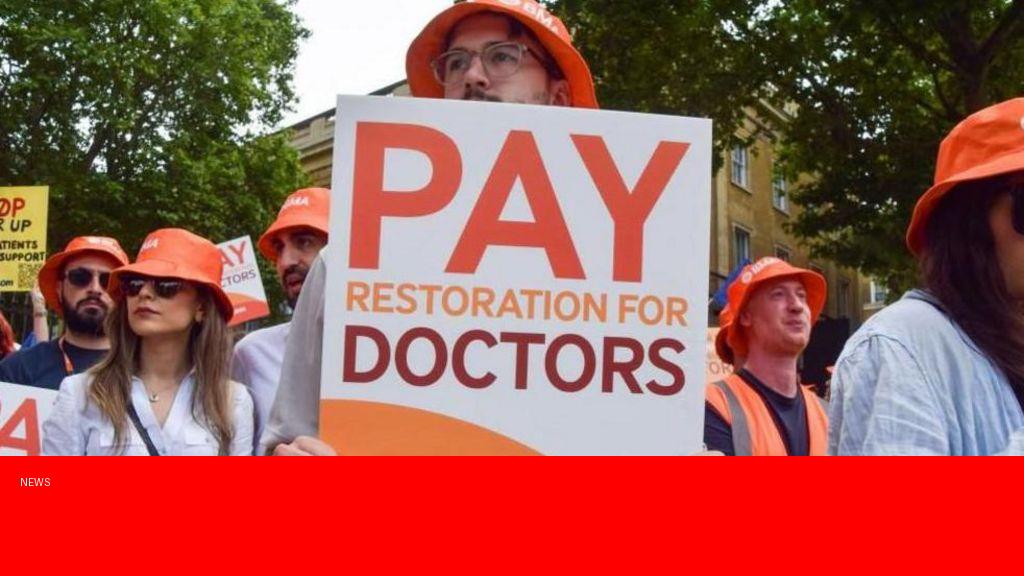
The Prime Minister has issued an ultimatum to the British Medical Association (BMA), giving them 48 hours to cancel their planned strike action. Failure to comply will result in the government cutting 1,000 training positions for junior doctors. This move comes amid escalating tensions over contract negotiations and work conditions in the healthcare sector.
Why it matters
The threat to withdraw 1,000 training posts poses a significant challenge to the future workforce of the National Health Service (NHS). Training posts are essential for developing new medical professionals, and any reduction could exacerbate existing staff shortages, increase pressures on hospitals, and ultimately impact patient care. The Prime Minister’s hardline stance also signals a government determined to curb industrial action, which may influence union-government relations across various sectors.
Background
The BMA has planned strike action in response to ongoing disputes over pay, working hours, and conditions for junior doctors. Previous strikes have already disrupted services, and this latest action is part of a wider campaign to negotiate better terms. The government has insisted that any strike is unjustified and has warned that continued industrial action will have consequences. Training posts are government-funded positions that provide essential education and experience opportunities for junior doctors, making them a critical component of the NHS workforce pipeline.
Questions and Answers
Q: Why is the Prime Minister giving an ultimatum to the BMA?
A: The Prime Minister wants to prevent the planned strike action, which could disrupt healthcare services. By issuing the ultimatum, the government is applying pressure for the BMA to call off the strike.
Q: What will happen if the BMA does not cancel the strike?
A: The government has threatened to cut 1,000 junior doctor training posts as a punitive measure if the strike proceeds.
Q: How will cutting training posts affect the NHS?
A: Reducing training posts will limit the number of new doctors entering the system, potentially worsening staffing shortages and impacting patient care in the long term.
Q: Has the government taken similar actions before?
A: While the government has previously opposed strikes and taken disciplinary action, threatening to cut such a large number of training posts is an unprecedented step.
Q: What are junior doctors demanding?
A: Junior doctors seek improved pay, better working conditions, and more reasonable hours to address burnout and workload pressures.
Source: https://www.bbc.com/news/articles/c23909pge35o?at_medium=RSS&at_campaign=rss