What happened
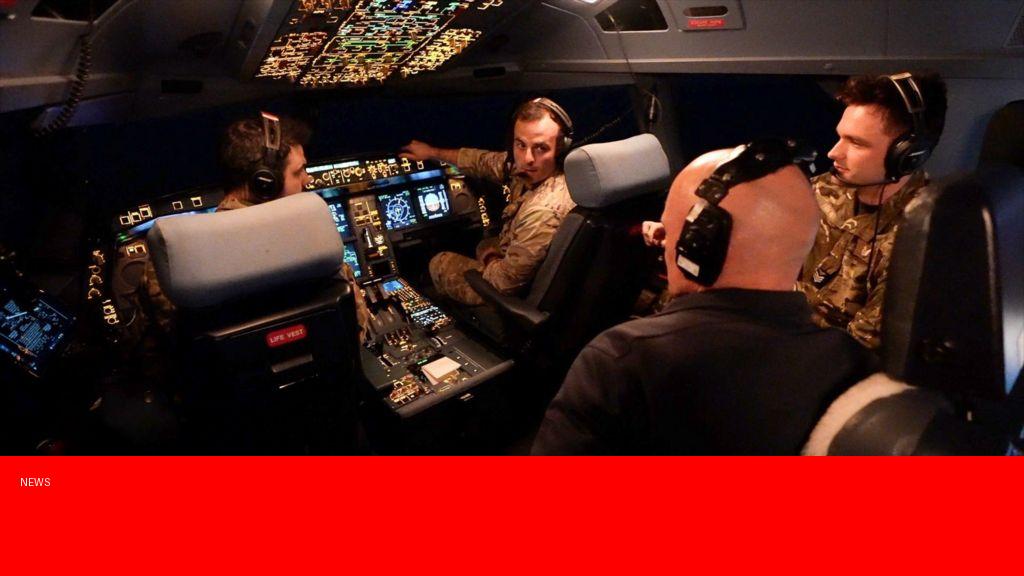
The Royal Air Force (RAF) recently conducted a defensive mission involving a tanker aircraft intercepting and countering Iranian drones in a high-tension operation. Inside the cockpit of the RAF tanker, pilots and crew coordinated closely to monitor, track, and respond to the unmanned aerial threats while ensuring the safety of allied aircraft in the region. The tanker played a crucial role by providing mid-air refueling and electronic support to combat aircraft engaged in neutralizing the drones.
Why it matters
This mission underscores the increasing threat posed by Iranian drone technology in volatile areas, highlighting the importance of air refueling tankers in modern aerial defense strategies. The ability to sustain long-range combat operations and protect allied forces from unmanned threats is vital for maintaining regional stability. Furthermore, it demonstrates the RAF’s commitment to safeguarding international airspace and supporting coalition efforts against emerging drone-based warfare tactics.
Background
In recent years, Iran has significantly expanded its drone capabilities, utilizing unmanned systems for reconnaissance and potential offensive missions. These drones have been a source of concern for Western militaries operating in the Middle East, especially in hotspots like the Persian Gulf. The RAF has increased its deployment of tanker aircraft to support fighter jets and surveillance missions, ensuring extended operational reach and endurance. The recent defensive mission comes amid escalating tensions and international efforts to curtail drone provocations in the region.
Questions and Answers
Q: What specific role did the RAF tanker play during the defensive mission?
A: The RAF tanker provided mid-air refueling to allied fighter jets and electronic surveillance to detect and track Iranian drones, enabling sustained combat operations.
Q: How do drones pose a threat to military operations in the region?
A: Drones can conduct surveillance, gather intelligence, and even carry out attacks, posing risks to personnel and assets, complicating defense strategies.
Q: Why is air refueling important in missions like these?
A: Air refueling allows combat aircraft to remain airborne longer without returning to base, increasing their operational range and endurance during critical defense missions.
Q: Has the RAF undertaken similar missions before?
A: Yes, the RAF regularly supports coalition forces in ensuring airspace security and has experience countering drone threats in various regions.
Q: What measures are taken inside the cockpit to handle drone threats?
A: Pilots and crew use advanced radar and electronic warfare systems to detect, track, and respond to drones, while coordinating with other forces to neutralize threats.
Source: https://www.bbc.com/news/articles/cdrmg6x2rgxo?at_medium=RSS&at_campaign=rss