What happened
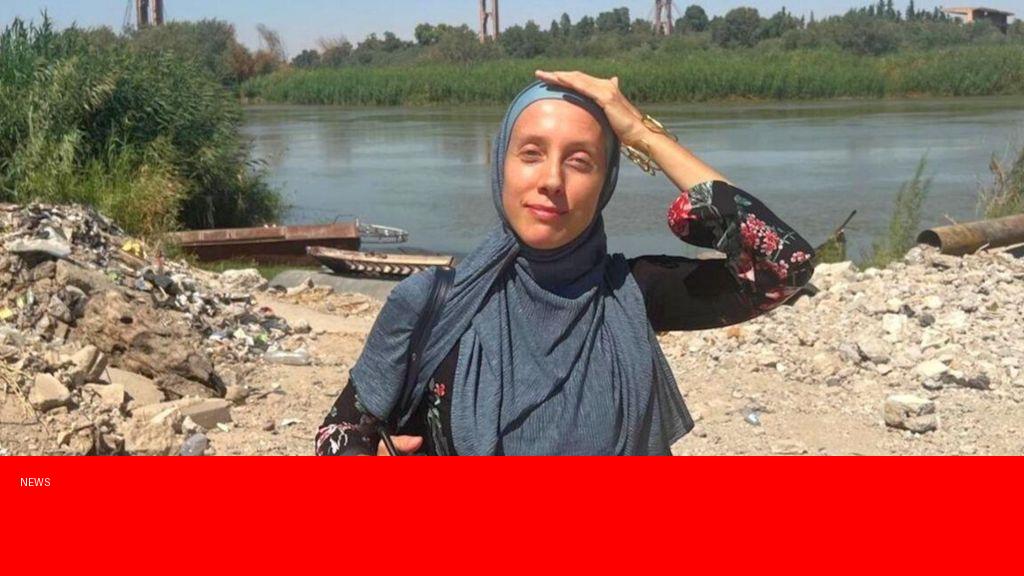
Shelly Kittleson, a US journalist reporting in Baghdad, was kidnapped on Tuesday afternoon near the Green Zone, the heavily fortified area of the city. Witnesses reported that armed assailants forced her into a vehicle before swiftly disappearing into nearby side streets. Iraqi security forces have launched a search operation, and US embassy officials are coordinating closely with local authorities to secure her release.
Why it matters
The kidnapping of Shelly Kittleson highlights the ongoing risks faced by journalists working in conflict zones like Baghdad. Her abduction raises serious concerns about the safety of foreign correspondents covering critical developments in Iraq, potentially impacting international news coverage and the free flow of information. It also puts pressure on Iraqi authorities to improve security measures and on governments to protect their citizens abroad.
Background
Baghdad has remained a volatile environment for journalists amid political instability and frequent violence. Foreign reporters regularly face threats including kidnappings, bombings, and harassment while covering the region. Over recent years, several journalists have been targeted, prompting increased security protocols. The Green Zone, although considered relatively secure, is not immune to such attacks, as insurgents continue to challenge government and coalition forces.
Questions and Answers
Q: Who is Shelly Kittleson?
A: Shelly Kittleson is an experienced US journalist known for her in-depth reporting on Middle Eastern affairs, particularly Iraq.
Q: What is being done to find her?
A: Iraqi security forces and US embassy officials are actively collaborating on a search and rescue operation to locate and secure Kittleson’s safe return.
Q: Has she been harmed?
A: There have been no official reports on Kittleson’s condition since the kidnapping, and efforts are underway to ensure her safety.
Q: How common are kidnappings of journalists in Baghdad?
A: While not everyday occurrences, kidnappings remain a serious risk due to ongoing instability, with several journalists having been targeted in the past decade.
Q: What message does this send to the international community?
A: It underscores the challenges of reporting in conflict zones and emphasizes the need for increased protections for journalists worldwide.
Source: https://www.bbc.com/news/articles/c5yled478zwo?at_medium=RSS&at_campaign=rss