What happened
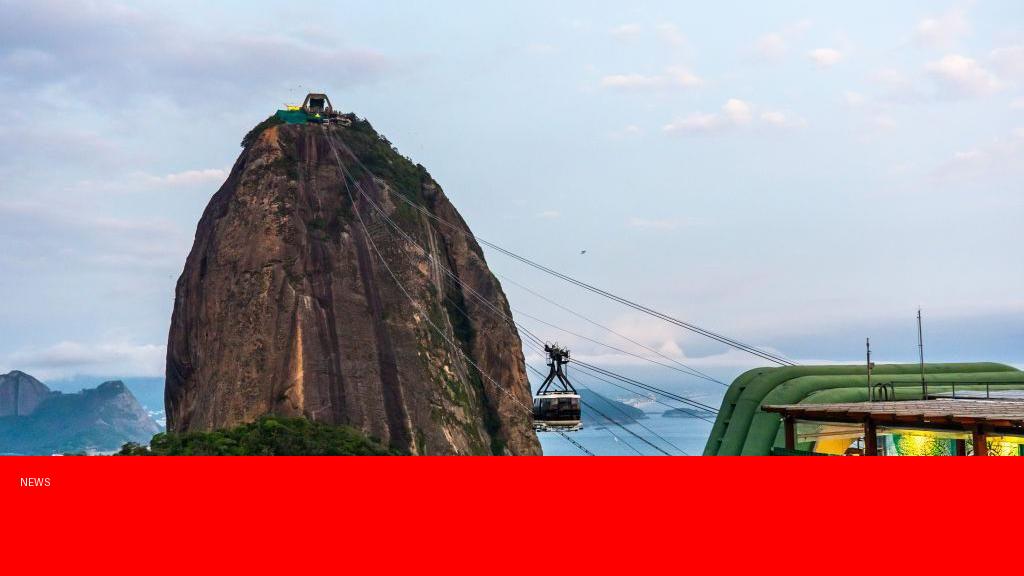
A judge in Brazil has temporarily blocked the operation of the zipline at Sugarloaf Mountain in Rio de Janeiro. The decision came after environmental concerns were raised regarding the potential impact of the zipline on the local ecosystem and the iconic natural landmark. Authorities have ordered a suspension of the activity until a thorough environmental assessment can be conducted.
Why it matters
Sugarloaf Mountain is one of Brazil’s most famous tourist attractions, drawing millions of visitors each year. The zipline offered a unique and thrilling way for tourists to experience the stunning views of Rio de Janeiro’s landscape. Blocking its operation not only affects tourism revenues but also underscores the tension between economic development and environmental preservation in the country. The ruling highlights increasing judicial willingness to prioritize environmental protection when tourism developments pose risks to natural heritage.
Background
Sugarloaf Mountain, known locally as Pão de Açúcar, is a granite peak rising nearly 400 meters above the harbor. It is a symbol of Rio de Janeiro and is protected as part of the city’s natural heritage. The commercial zipline was introduced to attract adventure-seekers and boost tourism options aside from the traditional cable car. However, environmental groups and local residents expressed concerns about noise pollution, disruption of wildlife habitats, and the visual impact on the landscape. Brazilian courts have previously played a significant role in decisions related to environmental preservation amid increasing tourism development pressures.
Questions and Answers
Q: What prompted the judge to block the zipline at Sugarloaf Mountain?
A: The judge acted in response to environmental concerns brought by local groups who warned that the zipline could harm the ecosystem and landscape of Sugarloaf Mountain.
Q: How long will the zipline be closed?
A: The zipline will remain closed until the completion of an environmental impact study, after which the court will review the findings and decide on whether the zipline can resume operation.
Q: What impact will this decision have on tourism?
A: The ruling could temporarily reduce adventure tourism options at Sugarloaf Mountain, potentially affecting revenues, but it also emphasizes the need for sustainable tourism practices that protect natural sites.
Q: Has there been any response from the zipline operators?
A: Operators have expressed disagreement with the ruling but have stated they will comply with the court’s decision and cooperate with environmental assessments.
Q: Are there similar disputes happening at other tourist sites in Brazil?
A: Yes, Brazil has seen several cases where tourism development projects have been challenged due to environmental concerns, reflecting ongoing debates about conservation and economic growth.
Source: https://www.bbc.com/news/articles/cx29e3wljj2o?at_medium=RSS&at_campaign=rss