What happened
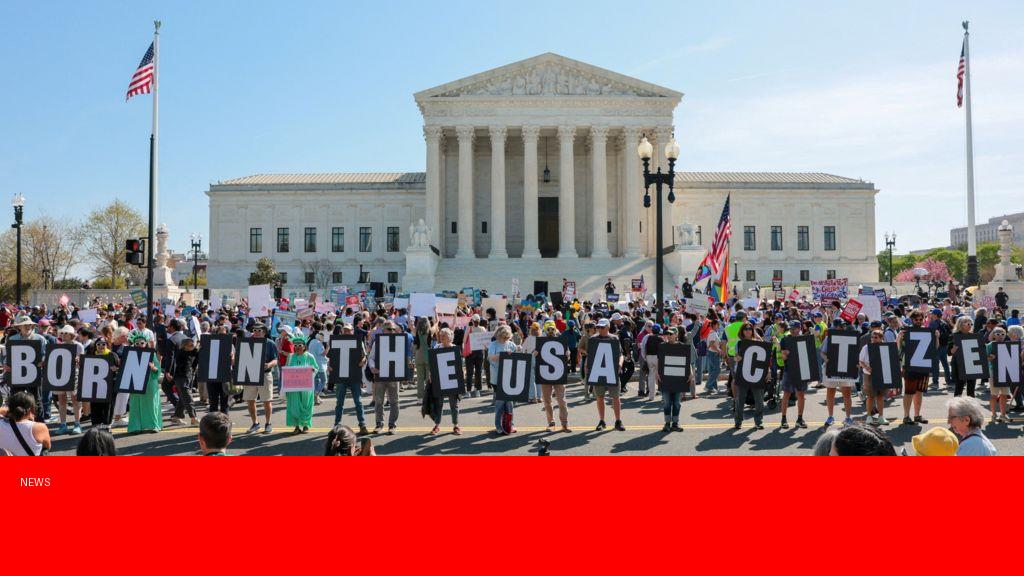
The US Supreme Court recently heard arguments in a case challenging the constitutional basis for birthright citizenship in the United States. During the proceedings, several justices expressed skepticism about the plaintiffs’ claim that the 14th Amendment does not guarantee citizenship to all persons born on US soil. The challenge seeks to limit automatic citizenship to children of US citizens or lawful permanent residents. However, the justices appeared reluctant to overturn the long-standing interpretation that birthright citizenship is a constitutional right.
Why it matters
The court’s skepticism signals potential difficulties for efforts to restrict birthright citizenship, a policy that has significant implications for immigration law and social demographics. Birthright citizenship ensures that nearly all children born in the US, regardless of their parents’ immigration status, are automatically US citizens. A ruling against birthright citizenship could lead to widespread legal uncertainty, affect millions of children’s status, disrupt immigrant communities, and provoke political and social tensions nationwide.
Background
Birthright citizenship in the United States is guaranteed by the 14th Amendment, ratified in 1868, which states that “all persons born or naturalized in the United States, and subject to the jurisdiction thereof, are citizens of the United States.” This provision has been interpreted to grant citizenship to almost everyone born in the country. Recently, some political groups have pushed to reinterpret this clause to exclude children born to parents without legal immigration status, arguing that the original intent did not include unauthorized immigrants. The Supreme Court’s hearing reflects ongoing national debates on immigration and citizenship policy.
Questions and Answers
Q: What is the main legal issue being challenged in the Supreme Court?
A: The main issue is whether the 14th Amendment’s guarantee of birthright citizenship applies to all children born in the US, or only to those born to citizens or lawful residents.
Q: Why are some groups seeking to end birthright citizenship?
A: They argue that birthright citizenship encourages illegal immigration and that the 14th Amendment was not intended to cover children of parents without legal status.
Q: What does the Supreme Court’s skepticism suggest about the outcome?
A: It suggests the justices may be hesitant to overturn the precedent affirming birthright citizenship but a final decision has yet to be made.
Q: How many people could be affected if birthright citizenship is restricted?
A: Potentially millions of children born annually to non-citizen parents could lose automatic citizenship, impacting their legal rights and status.
Q: Has birthright citizenship ever been seriously challenged before?
A: The constitutional right has been upheld consistently since the 19th century, but recent political debates have brought renewed challenges to the issue.
Source: https://www.bbc.com/news/articles/cje47jk49k0o?at_medium=RSS&at_campaign=rss