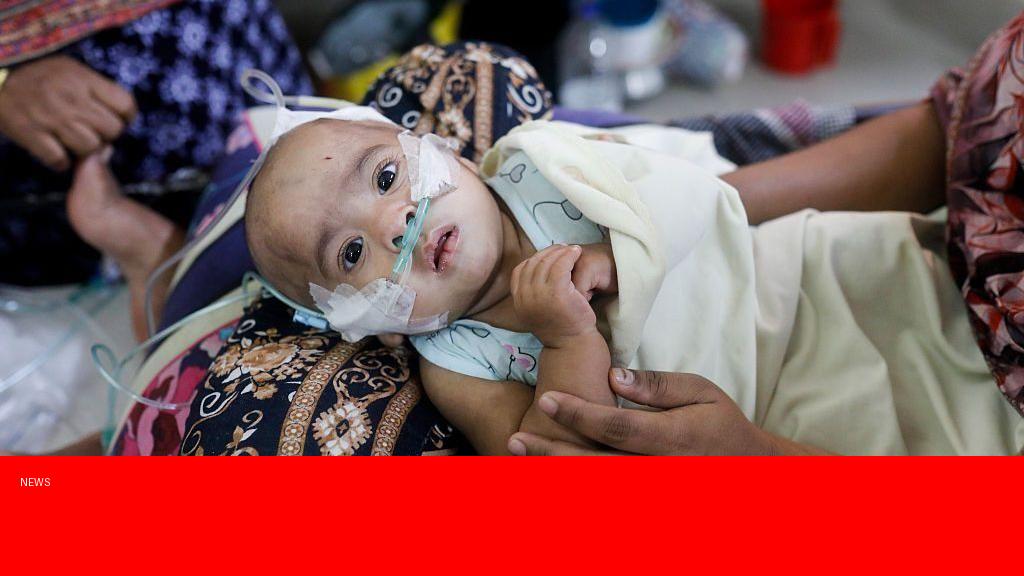
What happened
Over 100 children have died from suspected measles in Bangladesh within a single month, prompting an urgent response from health authorities. In reaction to the rapid surge in fatalities, the government has launched emergency vaccination campaigns targeting vulnerable populations to contain the outbreak and prevent further deaths.
Why it matters
The sudden spike in measles-related deaths highlights critical gaps in immunization coverage and healthcare access in Bangladesh. Measles is a highly contagious disease that can lead to severe complications, especially among young children. The fatal outbreak threatens to strain the country’s healthcare system and underscores the necessity of accelerating vaccination drives to protect millions of children and curb preventable deaths.
Background
Measles is a viral disease preventable through vaccination, yet outbreaks still occur in areas with low immunization rates. Bangladesh has made progress in reducing childhood mortality through expanded immunization programs, but challenges remain, including logistical barriers, vaccine hesitancy, and pandemic-related disruptions. Recent months have seen a resurgence of measles cases globally due to interrupted health services caused by COVID-19, worsening the public health outlook in countries like Bangladesh.
Questions and Answers
Q: What is causing the recent deaths among children in Bangladesh?
A: The deaths are linked to a suspected measles outbreak amid inadequate vaccination coverage in affected regions.
Q: What measures is the Bangladesh government taking?
A: Authorities have initiated emergency vaccination campaigns aiming to immunize children quickly and halt the spread of measles.
Q: Why is measles still a problem despite available vaccines?
A: Factors such as vaccine access issues, misinformation, and healthcare disruptions have led to gaps in immunization, allowing outbreaks to occur.
Q: How can these types of outbreaks be prevented in the future?
A: Strengthening routine immunization programs, addressing vaccine hesitancy, and ensuring continuous healthcare service delivery are key steps to prevent future outbreaks.
Source: https://www.bbc.com/news/articles/cevkz2z7dm8o?at_medium=RSS&at_campaign=rss