What happened
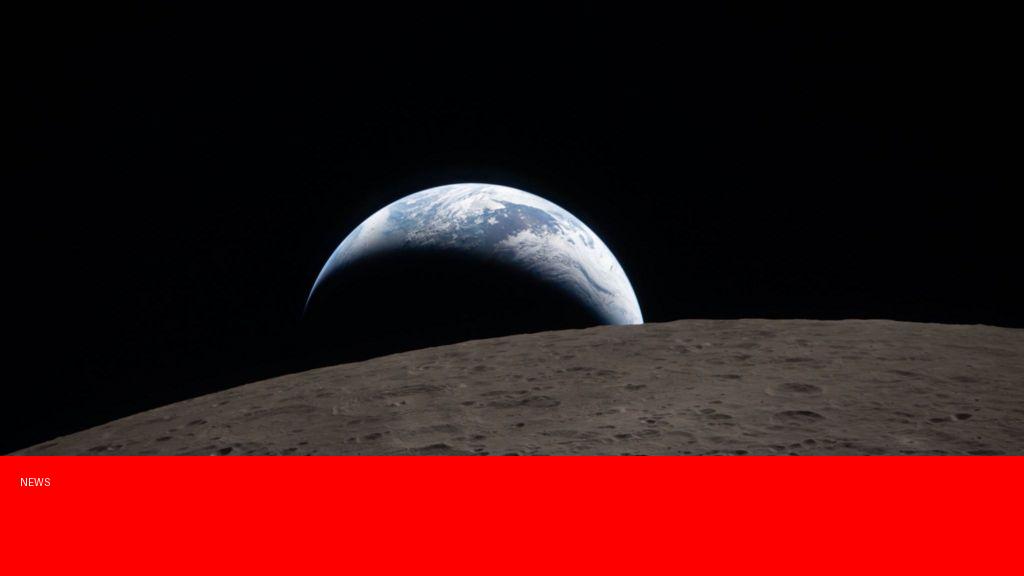
NASA has released the first images captured during its recent fly-by of the Moon, showcasing a rare Earthset alongside a solar eclipse. The spacecraft, part of NASA’s Artemis program, photographed the Earth setting behind the lunar horizon while the Sun was partially obscured by the Moon, creating a stunning celestial alignment. These images mark a significant milestone in the ongoing lunar exploration mission, offering new perspectives on Earth, the Moon, and the dynamics of solar eclipses as seen from space.
Why it matters
The release of these images is important because it provides scientists with valuable data about the Earth-Moon-Sun system, which can enhance our understanding of lunar geography and atmospheric conditions on Earth from a unique vantage point. Furthermore, capturing an Earthset during a solar eclipse highlights the precision and capability of NASA’s instrumentation, boosting confidence in upcoming long-duration lunar missions. The images also serve to inspire public interest in space exploration and underscore the progress of human efforts to return to the Moon sustainably.
Background
The images were taken during NASA’s Artemis I mission, an uncrewed test flight designed to demonstrate the Space Launch System and Orion spacecraft’s performance around the Moon. The mission’s objectives include testing the spacecraft’s endurance in deep space and gathering essential information for future crewed lunar landings. This particular fly-by allowed the spacecraft to capture phenomena that cannot be observed simultaneously from Earth, such as an eclipse viewed against the backdrop of the lunar surface and an Earthset, where Earth appears to “set” from the Moon’s perspective.
Questions and Answers
Q: What is an Earthset?
A: An Earthset refers to the phenomenon of Earth appearing to set or disappear below the lunar horizon, similar to a sunset as seen from the Moon.
Q: Why is capturing a solar eclipse from the Moon significant?
A: Capturing a solar eclipse from the Moon offers unique observational angles that cannot be replicated on Earth, providing astronomers with important data about celestial mechanics and atmospheric interactions.
Q: What mission was responsible for capturing these images?
A: The images were taken by NASA’s Artemis I spacecraft during its uncrewed fly-by of the Moon.
Q: How will these images impact future lunar missions?
A: The images validate the spacecraft’s navigation and imaging systems, helping plan and improve future crewed missions to the Moon by providing better data on lunar and Earth conditions from space.
Q: When can we expect humans to return to the Moon?
A: NASA aims to return astronauts to the Moon by the mid-2020s as part of the Artemis program, with Artemis III planned to land the first woman and next man on the lunar surface.
Source: https://www.bbc.com/news/articles/cyv183v02j3o?at_medium=RSS&at_campaign=rss