What happened
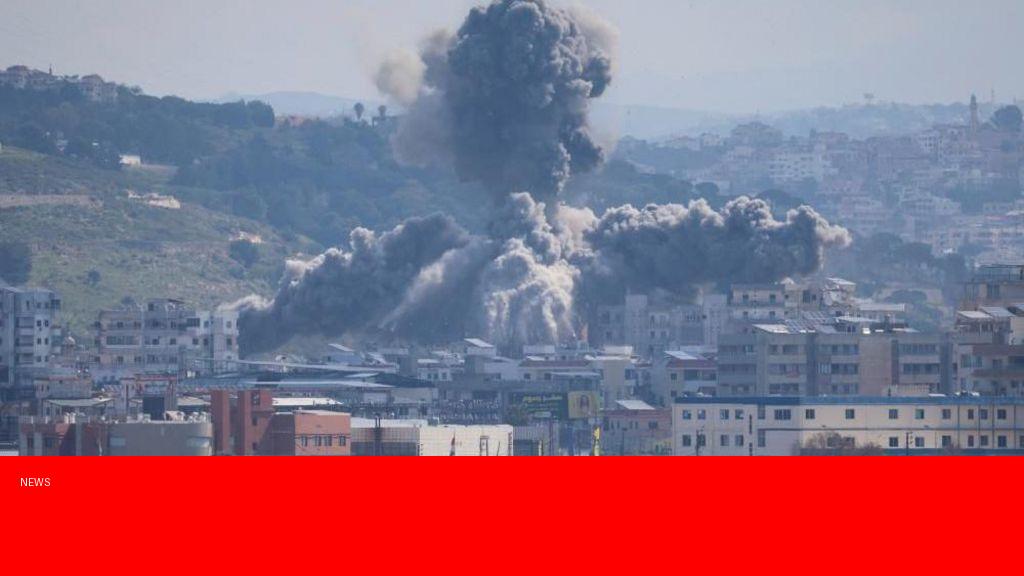
Israel conducted airstrikes in southern Lebanon targeting what it described as Iranian-backed militia positions shortly after a ceasefire agreement was announced between the United States and Iran. The attacks occurred within hours of the U.S.-Iran deal aimed at de-escalating tensions in the region. Israeli officials stated the strikes were in response to recent cross-border rocket fire and militant activity originating from Lebanese territory.
Why it matters
The airstrikes highlight the fragile nature of the ceasefire efforts between the U.S. and Iran, showing that localized conflicts can continue despite broader diplomatic agreements. The incident increases the risk of renewed hostilities between Israel and Hezbollah, the Iran-backed group in Lebanon, potentially destabilizing the wider Middle East. It also raises questions about the enforceability of ceasefire deals when proxy groups remain active on the ground.
Background
For years, southern Lebanon has been a hotspot for conflict between Israel and Hezbollah, a Shiite militant group supported by Iran. Cross-border exchanges of fire have frequently escalated into larger confrontations. Recently, the U.S. and Iran reached a tentative ceasefire agreement intended to reduce proxy conflicts and ease regional tensions. However, longstanding grievances and militant operations have made lasting peace elusive, with Israel viewing Iranian influence in Lebanon as a direct threat to its security.
Questions and Answers
Q: What prompted Israel’s airstrikes in southern Lebanon?
A: Israel launched the strikes in retaliation for recent rocket attacks and militant activities linked to Iranian-backed groups operating in southern Lebanon.
Q: How does this affect the U.S.-Iran ceasefire agreement?
A: The airstrikes undermine the ceasefire by demonstrating that proxy conflicts on the ground continue, complicating efforts to stabilize the region through diplomacy.
Q: Who controls the areas targeted by Israel in southern Lebanon?
A: The targeted areas are primarily controlled by Hezbollah, a powerful Iranian-backed militia operating in Lebanon.
Q: What is Hezbollah’s response to the Israeli strikes?
A: Although Hezbollah has condemned the strikes, they have so far refrained from escalating the conflict, calling for restraint from all parties involved.
Q: Could this lead to a wider conflict?
A: While tensions have increased, both sides have shown cautious restraint so far. However, the risk of escalation remains significant if further attacks occur.
Source: https://www.bbc.com/news/articles/c0j6d538l6qo?at_medium=RSS&at_campaign=rss