What happened
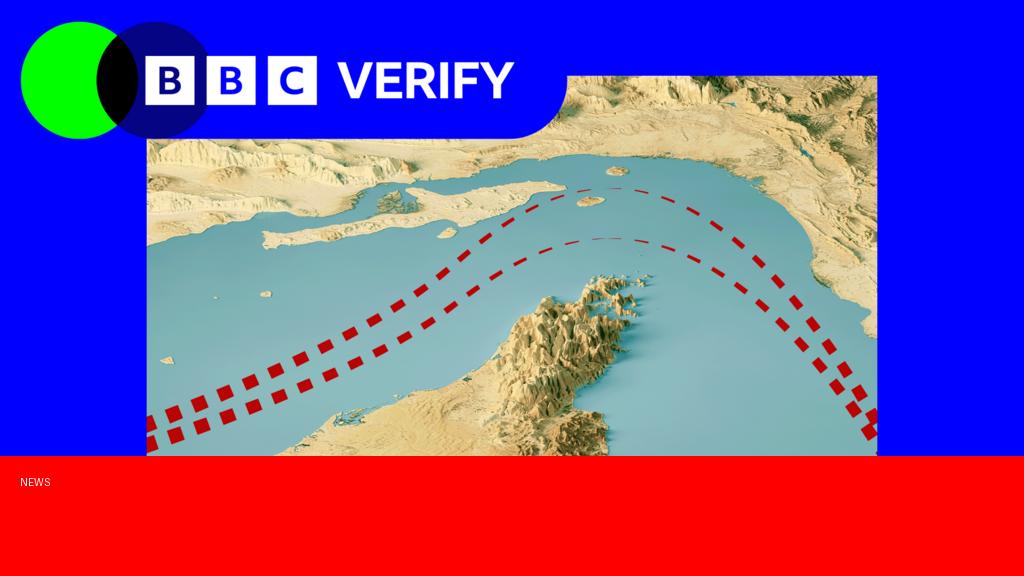
Iran has issued a stern warning to international shipping companies, cautioning them about increased risks in the Persian Gulf region. The Iranian government emphasized that foreign vessels operating near its waters should exercise heightened vigilance and adhere strictly to regional regulations. This announcement follows recent escalations in tensions between Iran and Western naval forces, leading to concerns over the safety and security of commercial shipping lanes in one of the world’s busiest maritime corridors.
Why it matters
The warning from Iran compounds existing uncertainties for global shipping in the Persian Gulf, a critical artery for oil exports and international trade. Any disruptions or perceived threats to vessel safety could lead to increased insurance costs, rerouting of ships, and delays in the supply chain. This instability not only affects global oil prices but also has broader implications for international economic stability, energy security, and geopolitical relations in a region already marked by volatility.
Background
The Persian Gulf is a strategic waterway that facilitates around 20% of the world’s petroleum supply. Over recent years, tensions between Iran and Western nations, particularly the United States, have intensified due to sanctions, nuclear negotiations, and military presence in the region. Incidents such as the seizure of ships and naval skirmishes have heightened apprehensions about maritime safety. Iran’s recent warning is viewed by many analysts as both a defensive measure and a strategic signal amid ongoing diplomatic and military friction.
Questions and Answers
Q: What specific risks did Iran highlight in its warning?
A: Iran pointed to the dangers of unauthorized military activities and warned against foreign vessels violating Iranian maritime boundaries, emphasizing that such actions could provoke serious consequences.
Q: How have shipping companies responded to Iran’s warning?
A: Many shipping companies are reassessing their routes, increasing security protocols, and consulting with insurers to mitigate potential risks associated with navigating near Iranian waters.
Q: Could this warning lead to a broader conflict in the region?
A: While it raises tensions, experts suggest the warning aims more at deterrence than escalation; however, any miscalculations or incidents at sea could potentially trigger wider confrontations.
Q: What role do international organizations play in this situation?
A: Bodies such as the International Maritime Organization encourage dialogue and the establishment of safety agreements to ensure freedom of navigation and reduce the risk of maritime incidents in volatile areas like the Persian Gulf.
Source: https://www.bbc.com/news/articles/c3w39lg84w2o?at_medium=RSS&at_campaign=rss