What happened
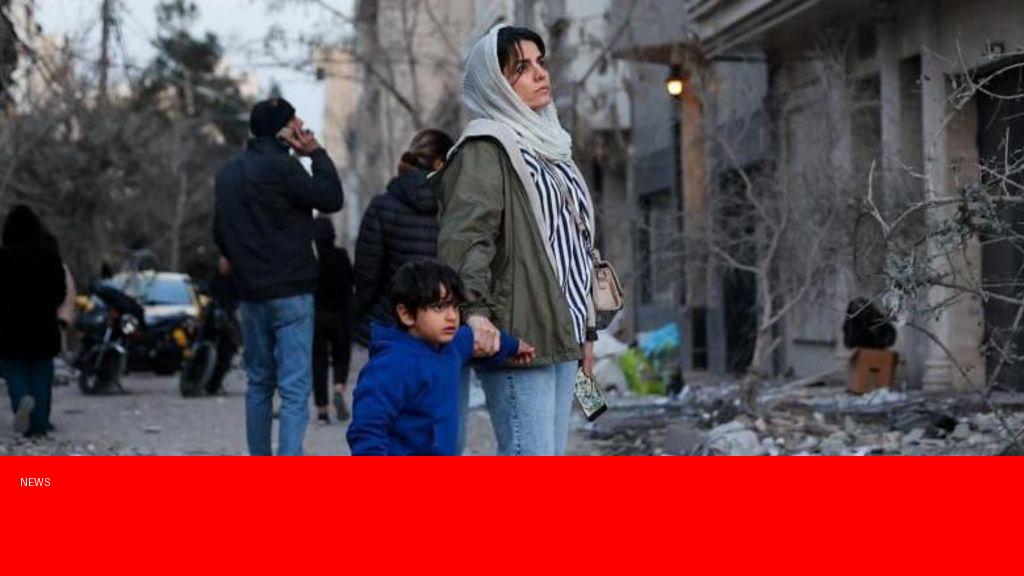
As fighting in Iran’s border regions shows signs of potential de-escalation, concerns are mounting over the enduring impact on the country’s children. Despite any cessation of hostilities, experts warn that the psychological, physical, and educational harm inflicted upon young Iranians during prolonged conflict will persist for years to come. Child welfare organizations report rising cases of trauma, malnutrition, and disrupted schooling, highlighting that the end of active combat will not instantly reverse these deeply rooted effects.
Why it matters
The prolonged conflict has inflicted severe damage on Iran’s younger generation, threatening the nation’s future social and economic stability. Children who grow up amid violence often face lifelong mental health issues, reduced educational attainment, and limited opportunities, which can perpetuate cycles of poverty and instability. Addressing these consequences is critical not only for individual well-being but also for fostering long-term peace and recovery in the region.
Background
Iran has experienced intermittent border clashes related to regional tensions and internal unrest over recent years. Though diplomatic efforts have begun to mitigate active fighting, the humanitarian toll remains significant. Children, who constitute a large segment of Iran’s population, have been particularly vulnerable to displacement, loss of family members, and disruption of basic services. National and international agencies have called for urgent intervention to support child health, education, and psychological services in affected communities.
Questions and Answers
Q: What are the main types of damage Iranian children have suffered during the conflict?
A: Iranian children have faced multiple forms of harm, including psychological trauma from exposure to violence, physical injuries, malnutrition due to food insecurity, and disruption of education caused by school closures or destruction.
Q: How will the damage to children affect Iran’s future?
A: The long-term effects on children can lead to a less healthy, less educated workforce, which may impede Iran’s economic development and social cohesion. Unaddressed trauma can also increase risks of mental illness and social unrest.
Q: What measures are needed to help children recover from the conflict?
A: Comprehensive support including psychological counseling, nutritional assistance, rebuilding educational infrastructure, and family reunification programs are essential to address both immediate and long-term needs.
Q: Has the Iranian government or international community taken steps to assist affected children?
A: Some domestic initiatives and international aid programs have started targeting vulnerable children, but experts emphasize that increased funding and coordinated efforts are required to meet the scale of the crisis effectively.
Source: https://www.bbc.com/news/articles/ce84ngmjz8zo?at_medium=RSS&at_campaign=rss