What happened
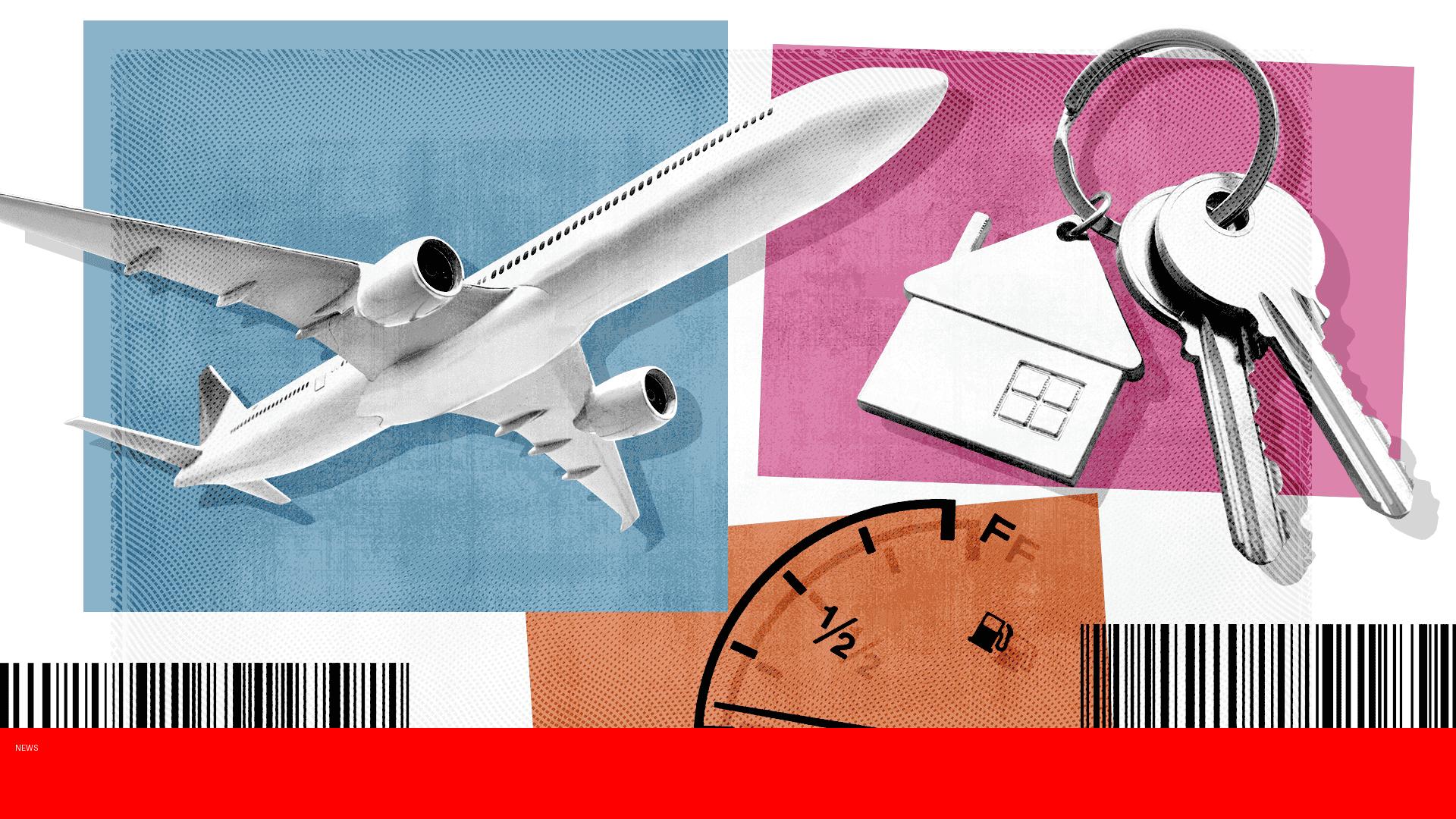
The cost of everyday essentials such as holidays, food, and clothes has continued to rise sharply, despite the recent ceasefire agreement in Iran. Consumers are facing higher prices at a time when many had hoped for economic relief following the easing of geopolitical tensions. Retailers and travel companies report increased operational costs, which are being passed on to customers, leading to an overall inflationary pressure across multiple sectors.
Why it matters
Rising prices affect household budgets, particularly for middle- and low-income families who spend a larger portion of their income on necessities. Inflation in essential goods and services reduces disposable income, limiting consumer spending and potentially slowing economic growth. Furthermore, the persistence of inflation despite improved political conditions highlights deeper structural issues within the global supply chain and domestic markets, signaling challenges ahead for policymakers aiming to stabilize the economy.
Background
The recent ceasefire in Iran marked a significant step toward easing longstanding regional tensions, raising hopes for improved trade relations and economic stability. However, inflation is being driven by multiple factors beyond geopolitical conflict, including supply chain disruptions caused by the pandemic, fluctuating energy prices, and increased demand post-lockdowns. The combination of these factors continues to push prices upward around the world, even as the political climate becomes more stable.
Questions and Answers
Q: Why are prices rising even though there is a ceasefire in Iran?
A: While the ceasefire reduces geopolitical tensions, inflation is influenced by broader factors such as supply chain issues, energy costs, and consumer demand, which are not immediately resolved by political agreements.
Q: Which sectors are most affected by rising costs?
A: Holidays, food, and clothing are among the most affected sectors, with consumers seeing higher prices in travel bookings, grocery bills, and apparel purchases.
Q: How does inflation impact everyday consumers?
A: Inflation reduces the purchasing power of money, meaning consumers get less value for the same amount spent, which can lead to decreased spending on non-essential goods and strain household finances.
Q: What can policymakers do to address rising costs?
A: Policymakers can focus on stabilizing supply chains, controlling energy prices, and implementing measures to support income growth and price stability to mitigate inflation’s impact on consumers.