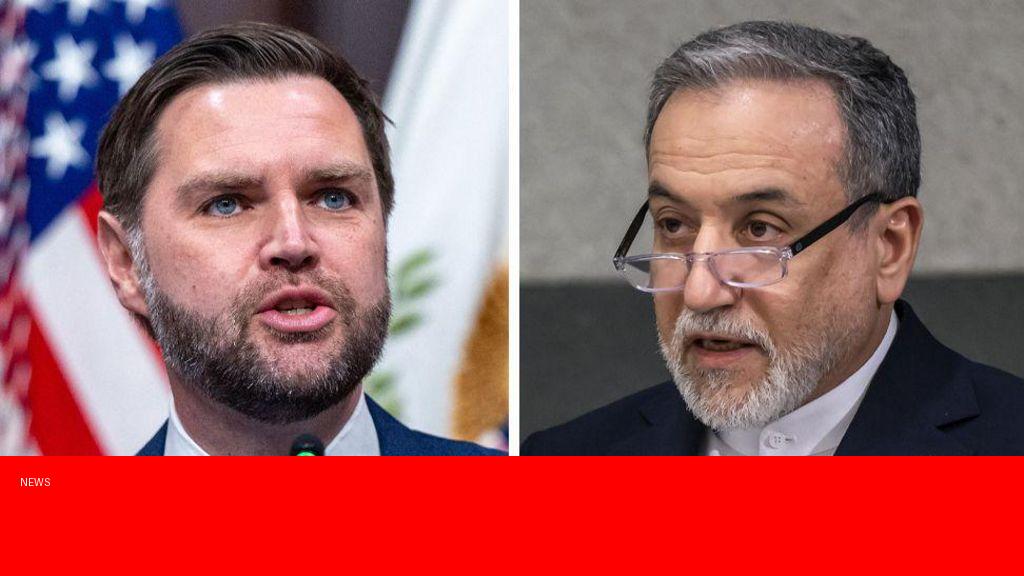
What happened
The latest round of US-Iran talks, aimed at reviving the 2015 nuclear agreement known as the JCPOA, has encountered five major sticking points. These include disagreements over the timeline for lifting sanctions, Iran’s uranium enrichment levels, inspections of nuclear sites, Iran’s ballistic missile program, and the issue of detained Americans in Iran. Despite ongoing negotiations, these issues have prevented a final deal from being reached.
Why it matters
Resolving these disputes is crucial to preventing Iran from developing nuclear weapons and ensuring regional and global security. A successful agreement would lead to the lifting of crippling economic sanctions on Iran, potentially improving economic conditions there. It would also reduce tensions between the US and Iran, potentially stabilizing a volatile Middle East region and facilitating broader diplomatic engagement.
Background
The Joint Comprehensive Plan of Action (JCPOA) was established in 2015 to limit Iran’s nuclear capabilities in exchange for sanctions relief. However, the US withdrew from the deal in 2018 under the Trump administration, reimposing sanctions. Since then, efforts to restore the agreement have faced many hurdles, with Iran increasing its nuclear activity and negotiations periodically stalling. The current talks reflect a renewed push under the Biden administration to bring both countries back into compliance with the original deal.
Questions and Answers
Q: What are the five big sticking points in the US-Iran talks?
A: They are the timeline for lifting sanctions, Iran’s uranium enrichment levels, inspection of nuclear sites, Iran’s ballistic missile program, and the release of detained Americans.
Q: Why is the timeline for lifting sanctions important?
A: It affects how quickly Iran’s economy can recover and influences Iran’s willingness to comply with nuclear restrictions.
Q: What is the concern regarding uranium enrichment?
A: The US wants Iran to limit enrichment to levels suitable only for civilian use, while Iran has increased enrichment beyond those levels.
Q: Why is inspection of nuclear sites contested?
A: The US seeks more intrusive inspections to ensure compliance, but Iran resists what it sees as sovereignty violations.
Q: How does Iran’s ballistic missile program factor into the talks?
A: The US wants restrictions on the program due to its potential military applications, but Iran insists it is a sovereign right for defense.
Q: What role do detained Americans play in the negotiations?
A: Iran’s detention of US citizens is a point of leverage, and their release is linked to broader diplomatic progress.
Source: https://www.bbc.com/news/articles/cx2wyn8wdz0o?at_medium=RSS&at_campaign=rss