What happened
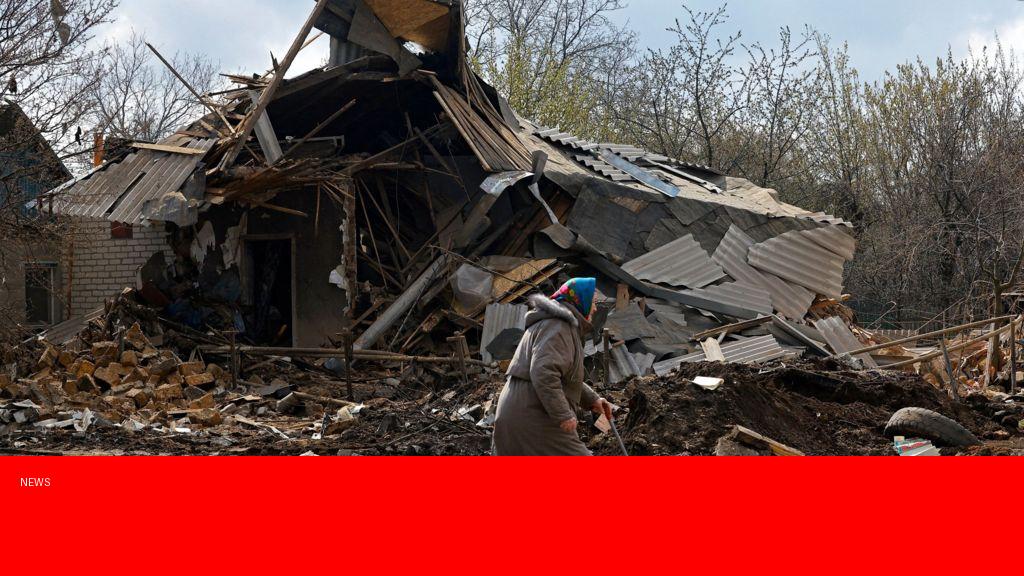
Ukraine and Russia have accused each other of committing hundreds of ceasefire violations along the contested eastern frontlines. Both sides reported multiple instances of shelling, sniper fire, and drone activity despite ongoing efforts to maintain a fragile truce. The mutual allegations signal a significant escalation in tensions and undermine recent diplomatic attempts to stabilize the region.
Why it matters
The continued breaches of the ceasefire threaten to derail peace negotiations and exacerbate the humanitarian crisis in the conflict zone. Civilians caught in the crossfire face increased danger, and renewed fighting could destabilize the broader security environment in Eastern Europe. The breakdown in trust complicates international efforts to broker a lasting resolution and raises concerns about a possible wider escalation.
Background
The conflict between Ukraine and pro-Russian separatists, supported by Russia, has been ongoing since 2014 following Russia’s annexation of Crimea. Multiple ceasefire agreements have been signed over the years, but violations remain frequent. The region known as the Donbas remains a flashpoint, with frequent clashes despite international calls for peace. Recent months have seen heightened diplomatic activity aimed at reducing hostilities, but progress has been fragile.
Questions and Answers
Q: What areas have seen the most ceasefire violations?
A: The majority of ceasefire violations have occurred around the Donetsk and Luhansk regions, which are the primary conflict zones in eastern Ukraine.
Q: Who is responsible for the ceasefire breaches?
A: Both Ukraine and Russia’s allied separatists accuse each other of initiating attacks, and independent verification is challenging due to restricted access to the conflict areas.
Q: What is the international response to these violations?
A: International organizations and governments have expressed concern and called for restraint, urging both parties to honor the ceasefire and return to dialogue.
Q: How are civilians affected by the ongoing violations?
A: Civilians face increased risks from shelling and sniper fire, often leading to casualties, displacement, and disruption of essential services.
Q: Are there any plans to restore the ceasefire?
A: Diplomatic efforts continue, with proposals for renewed negotiations and enhanced monitoring of the ceasefire, but progress depends heavily on both sides’ willingness to comply.
Source: https://www.bbc.com/news/articles/cz78y73v830o?at_medium=RSS&at_campaign=rss