What happened
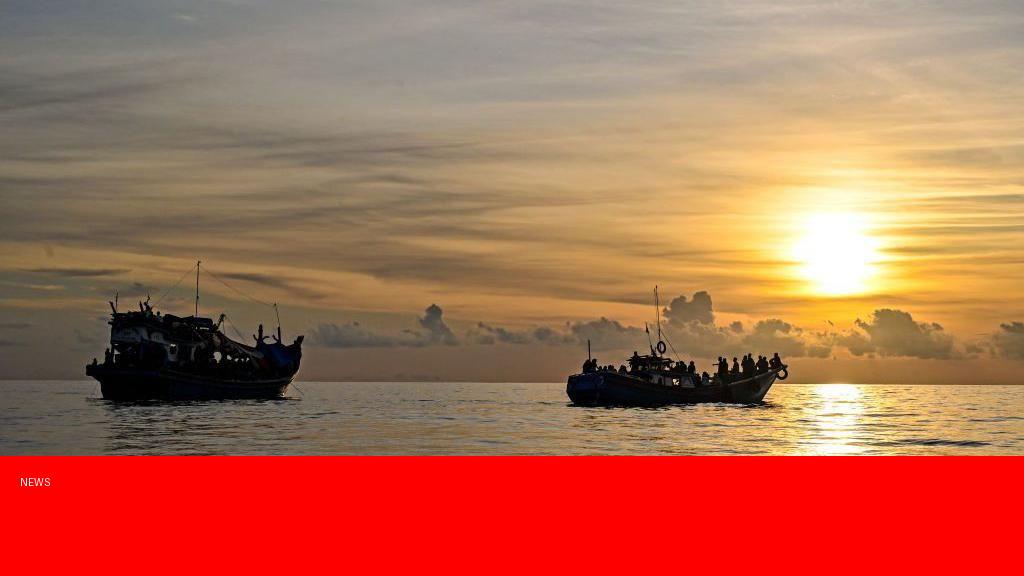
A migrant boat carrying over 300 people sank in the Indian Ocean, leaving approximately 250 individuals missing and feared dead. Rescue operations were launched immediately after distress signals were received, but rough sea conditions have hampered efforts to locate survivors. So far, only a handful of people have been rescued, and authorities continue to search the area for more victims.
Why it matters
This tragic incident highlights the ongoing humanitarian crisis involving migrants attempting dangerous sea crossings in search of safety and better opportunities. The loss of hundreds of lives underscores the urgent need for enhanced international cooperation to prevent such disasters, improve search and rescue capabilities, and address the root causes driving people to undertake perilous journeys. Additionally, the incident may strain relations between the countries bordering the Indian Ocean that are involved in rescue or migration management.
Background
The Indian Ocean is a notorious route for migrants fleeing conflict, persecution, and poverty in parts of East Africa, the Middle East, and South Asia. Over the past decade, thousands have attempted crossings in overcrowded and often unseaworthy vessels despite the risks. Many boats have capsized or been lost at sea, leading to significant loss of life. Regional authorities and international organizations have repeatedly called for coordinated action to improve maritime security and provide safer migration options.
Questions and Answers
Q: How many people were on the boat when it sank?
A: The boat was carrying over 300 migrants.
Q: How many people have been rescued so far?
A: Only a small number of survivors have been rescued to date.
Q: What challenges are hindering the rescue operation?
A: Rough sea conditions and the vast search area are making it difficult for rescue teams to find and reach survivors.
Q: Why do migrants take such dangerous routes across the Indian Ocean?
A: Many are fleeing violence, persecution, or extreme poverty in their home countries and see these journeys as a chance for safety and a better life despite the risks.
Q: What measures are being taken to prevent similar tragedies in the future?
A: International organizations and regional governments are working to enhance maritime patrols, improve rescue coordination, and create safer migration pathways, though challenges persist.
Source: https://www.bbc.com/news/articles/cz6778j78vlo?at_medium=RSS&at_campaign=rss