What happened
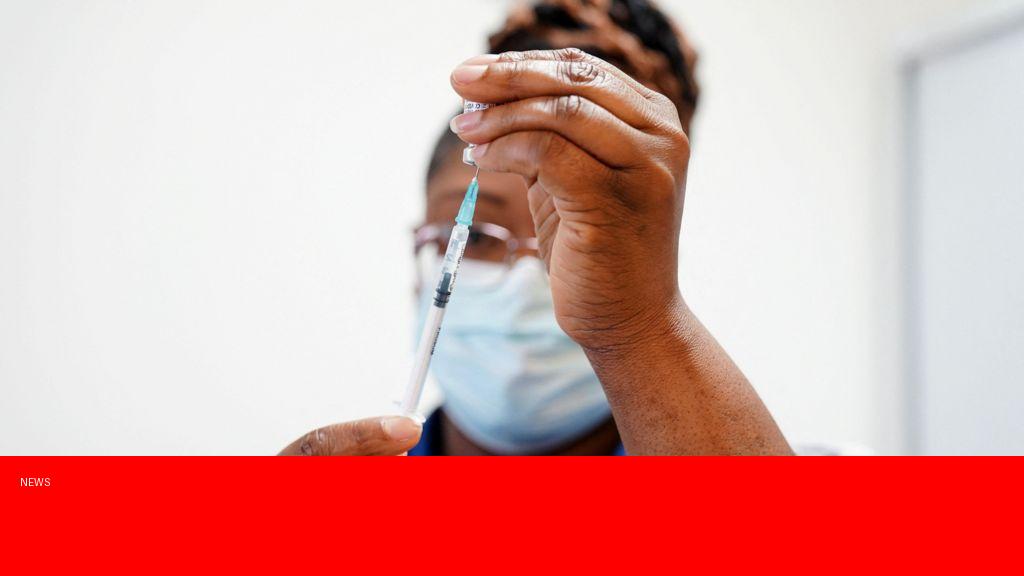
An official inquiry report has concluded that the global rollout of Covid-19 vaccines was an extraordinary feat. The report highlights the unprecedented speed and scale at which vaccines were developed, manufactured, and distributed worldwide during the pandemic. Despite numerous challenges, including supply chain issues and vaccine hesitancy, governments and health organizations successfully vaccinated billions of people within a remarkably short timeframe.
Why it matters
This achievement significantly mitigated the impact of the Covid-19 pandemic by reducing severe illness, hospitalizations, and deaths. The report underscores the vital role that international cooperation, scientific innovation, and logistical coordination played in the vaccine rollout. Its findings provide valuable lessons for handling future public health emergencies and emphasize the importance of preparedness and investment in healthcare infrastructure.
Background
After Covid-19 was declared a global pandemic in early 2020, the race to develop effective vaccines began. Traditionally, vaccine development can take years, but scientists leveraged new technologies, such as mRNA platforms, to accelerate the process. Governments and private companies collaborated to fund and scale production rapidly. Despite initial concerns about distribution, cold storage requirements, and public trust, the global campaign managed to deliver vaccines to diverse populations, saving countless lives and facilitating a gradual reopening of economies.
Questions and Answers
Q: What made the Covid vaccine rollout an extraordinary feat?
A: The rapid development, mass production, and global distribution of effective vaccines within less than a year, overcoming significant logistical and societal challenges, was unprecedented.
Q: How did this vaccine rollout impact the course of the pandemic?
A: It drastically reduced severe cases and fatalities, easing the burden on healthcare systems and enabling countries to move towards normalcy more quickly.
Q: What are the key lessons from the vaccine rollout?
A: The importance of scientific innovation, international collaboration, robust healthcare infrastructure, and effective communication to manage public health crises.
Q: Were there any significant obstacles during the rollout?
A: Yes, including vaccine supply shortages, distribution complexities, cold chain requirements, and vaccine hesitancy among certain populations.
Q: How can these findings influence future pandemic preparedness?
A: They highlight the need for continued investment in research, manufacturing capacity, global cooperation, and public trust-building to respond effectively to future threats.
Source: https://www.bbc.com/news/articles/cp8dpjx1yvmo?at_medium=RSS&at_campaign=rss