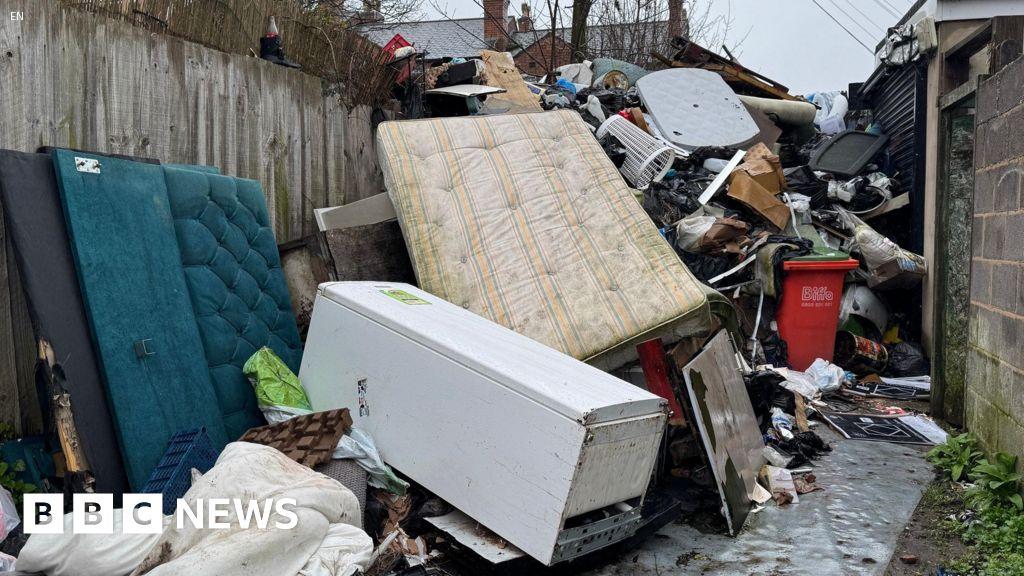
**Fly Tippers in England to Clear Their Own Rubbish as New Punishment**
In an effort to tackle the escalating problem of illegal dumping, known as fly tipping, authorities in England are introducing a new measure requiring offenders to clear up their own rubbish themselves. This initiative aims to reduce the environmental impact and curb the rise in fly tipping incidents across the country.
**What Happened?**
Local councils and enforcement agencies in England have started implementing a scheme where individuals caught fly tipping must personally remove the waste they dumped illegally. Instead of solely imposing fines or penalties, offenders will now be mandated to spend time cleaning up the mess they left behind under supervision.
**Why It Matters**
Fly tipping is a significant environmental and financial burden for communities. It harms wildlife, pollutes natural spaces, and creates unsightly landscapes that can affect public health and property values. The clean-up of fly tipping costs councils millions of pounds annually, diverting public funds away from essential services. By requiring offenders to take responsibility for their actions directly, authorities hope to deter future illegal dumping and foster a greater sense of accountability.
**Background**
Illegal dumping of waste has been a persistent problem in England, with increasing incidents reported in both urban and rural areas. Despite stringent penalties, including hefty fines and even imprisonment in severe cases, fly tipping continues to rise. Environmental groups and local authorities have long called for stronger actions to address the issue. This new punishment aligns with recommendations to use restorative justice techniques, ensuring offenders understand the consequences of their behavior.
—
### Questions & Answers: Understanding the New Fly Tipping Punishment
**Q: What exactly is fly tipping?**
A: Fly tipping is the illegal dumping of waste on public or private land without permission. This can include household rubbish, construction waste, or hazardous materials.
**Q: Why are offenders being required to clear their own rubbish?**
A: The aim is to make offenders directly confront the environmental damage they cause, promoting personal responsibility and deterring repeat offenses.
**Q: How will this punishment be enforced?**
A: Offenders will be supervised by council officials or enforcement officers while cleaning up the dumped waste. Failure to comply may result in additional penalties.
**Q: Will offenders still face fines or other penalties?**
A: Yes, clearing the rubbish is an additional measure rather than a replacement for existing fines or legal actions.
**Q: Is this approach used elsewhere?**
A: Similar restorative justice methods have been used in various countries to address environmental offenses, with mixed but generally positive results.
**Q: How can the public report fly tipping?**
A: Residents can report incidents to their local council via official websites or dedicated hotlines, providing details and, if possible, photos of the dumped waste.
This new initiative represents a proactive step toward cleaner communities and a healthier environment, emphasizing that those who damage public spaces must actively contribute to their repair.
Source: https://www.bbc.com/news/articles/c9dn770n1deo?at_medium=RSS&at_campaign=rss