What happened
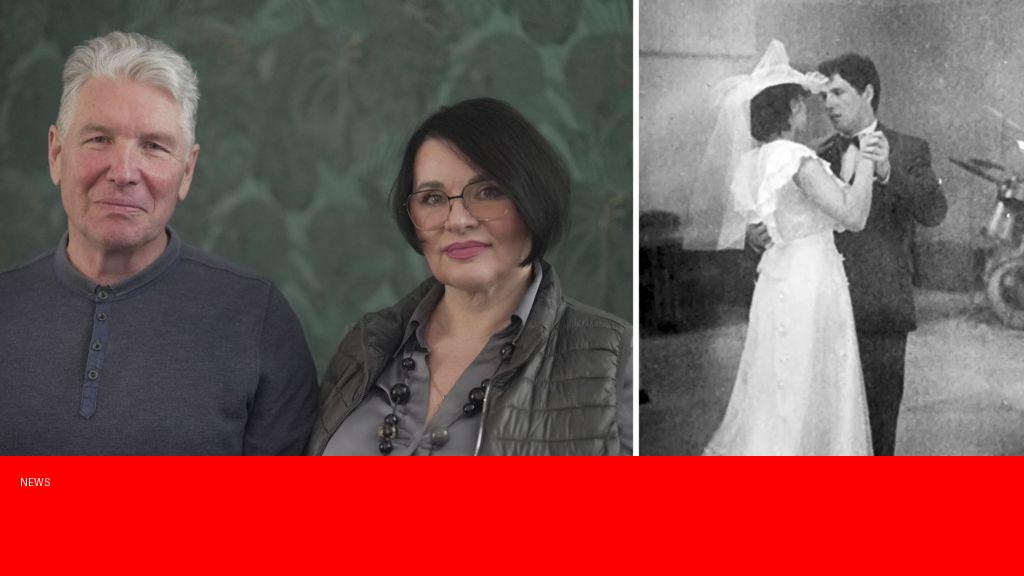
In April 1986, as the Chernobyl nuclear disaster unfolded, a couple chose to proceed with their wedding ceremony near the affected area. Their decision to marry amidst chaos and uncertainty has since become a poignant symbol of love and resilience. Despite rising radiation levels and increasing evacuation orders, the couple gathered with family and friends to celebrate their union, marking what is now known as Chernobyl’s last wedding before the area was sealed off.
Why it matters
This wedding serves as a powerful human story amid one of the worst nuclear disasters in history. It highlights the determination of people to hold onto hope and personal milestones even in times of crisis. The event humanizes the Chernobyl tragedy, reminding the world that individual lives and emotions persisted beyond the headline-grabbing catastrophe. It also draws attention to the social and cultural impacts disasters have on communities, influencing how people cope and find meaning during upheaval.
Background
On April 26, 1986, Reactor 4 at the Chernobyl Nuclear Power Plant in Ukraine exploded, releasing massive amounts of radioactive material into the environment. This led to the evacuation of the nearby city of Pripyat and neighboring villages, displacing thousands of residents. The Soviet government initially downplayed the severity but soon ordered a large-scale evacuation and containment effort. The disaster had long-term health and environmental consequences, and the surrounding area remains largely uninhabitable. The wedding took place in the immediate aftermath, before full evacuations were enforced.
Questions and Answers
Q: Who were the couple that married during the Chernobyl disaster?
A: The couple were local residents living near the Chernobyl power plant who decided to marry despite the emerging nuclear crisis. Their names have been recorded in local accounts, symbolizing everyday people affected by the event.
Q: Why was it called the last wedding at Chernobyl?
A: It was called the last wedding because it took place just before the area around the power plant was evacuated and sealed to prevent further exposure to radioactive contamination, making any subsequent weddings impossible in that vicinity.
Q: How did the disaster affect the wedding ceremony?
A: The wedding was reportedly marked by anxiety and uncertainty, with many guests aware of the unfolding catastrophe but choosing to celebrate nonetheless. The radiation threat cast a shadow over the event, reflecting the tension between normalcy and disaster.
Q: What happened to the couple after the disaster?
A: After their wedding, the couple was evacuated along with other residents of the exclusion zone. Like many, they had to rebuild their lives elsewhere, carrying the memory of their unique wedding amidst the tragedy.
Q: What does this story teach us about human resilience?
A: It demonstrates that even in the darkest moments, people seek connection, hope, and meaning. Celebrating love during a disaster reveals the enduring strength of human spirit and the need for personal joy despite external turmoil.
Source: https://www.bbc.com/news/articles/c0q92lx8q75o?at_medium=RSS&at_campaign=rss