What happened
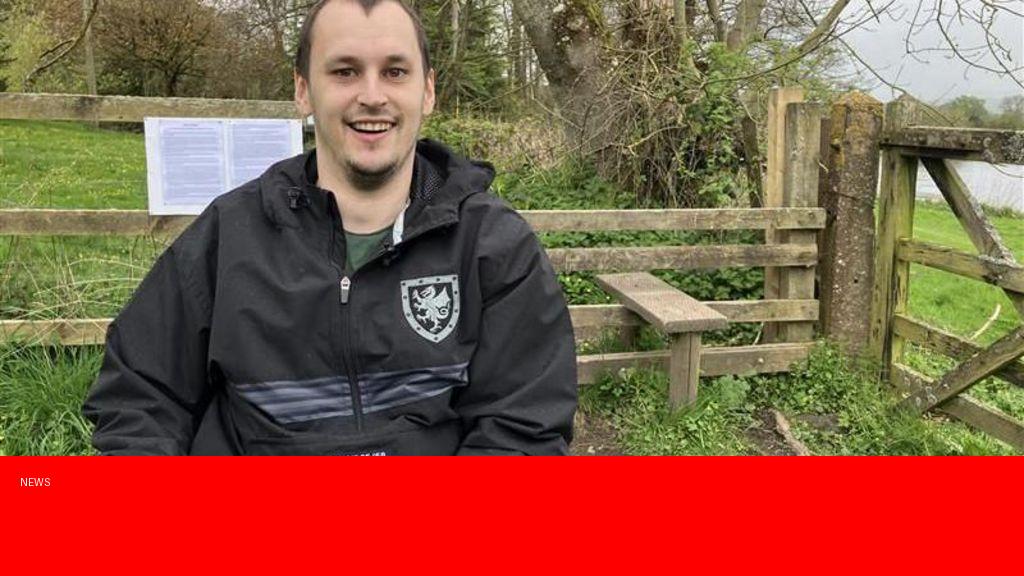
A newly constructed £1 million accessible route designed to improve mobility for disabled individuals has come under scrutiny after it was revealed that the pathway includes 15 stone steps and several stiles, making it inaccessible to many of the people it was meant to serve. Despite significant public funding and community expectations, the route fails to meet the basic requirements for wheelchair users and those with limited mobility.
Why it matters
The failure of this route to provide true accessibility highlights ongoing challenges in infrastructure planning and implementation for disabled persons. It undermines trust in public spending and raises concerns about inclusivity and compliance with accessibility standards. For disabled residents and visitors, such oversights limit independence, restrict access to recreational areas, and contribute to social exclusion.
Background
The accessible route project was launched last year with the objective of enhancing access to a popular green space within the community. Funded by government grants and local council budgets, the project was championed as a milestone for disability rights and inclusive design. However, after its completion, users and advocacy groups quickly pointed out the presence of physical barriers like steps and stiles that prevent wheelchair access. This has sparked debate about the adequacy of planning consultations and the enforcement of accessibility regulations in public works.
Questions and Answers
Q: How did steps and stiles end up on an accessible route designed to be barrier-free?
A: Preliminary reports suggest that the design process did not sufficiently consider the requirements of all disability groups. There may have been lapses in stakeholder consultation, and certain historical or environmental constraints might have influenced the inclusion of steps and stiles without appropriate alternatives.
Q: What are the next steps to fix the accessibility issues?
A: Local authorities have pledged to review the route urgently and consult with disability representatives to modify or redesign the problematic sections. Funding for adjustments or alternative solutions will be sought to ensure genuine accessibility.
Q: Has this incident affected other infrastructure projects in the area?
A: The controversy has prompted a wider audit of ongoing and planned projects to verify compliance with accessibility standards, aiming to prevent similar oversights in the future.
Q: What has been the response from disability advocacy groups?
A: Advocacy groups have expressed disappointment and frustration but remain hopeful that the authorities will act swiftly to amend the route. They emphasize the importance of inclusive planning from the outset to avoid costly mistakes.
Source: https://www.bbc.com/news/articles/cgk04l0zjzxo?at_medium=RSS&at_campaign=rss