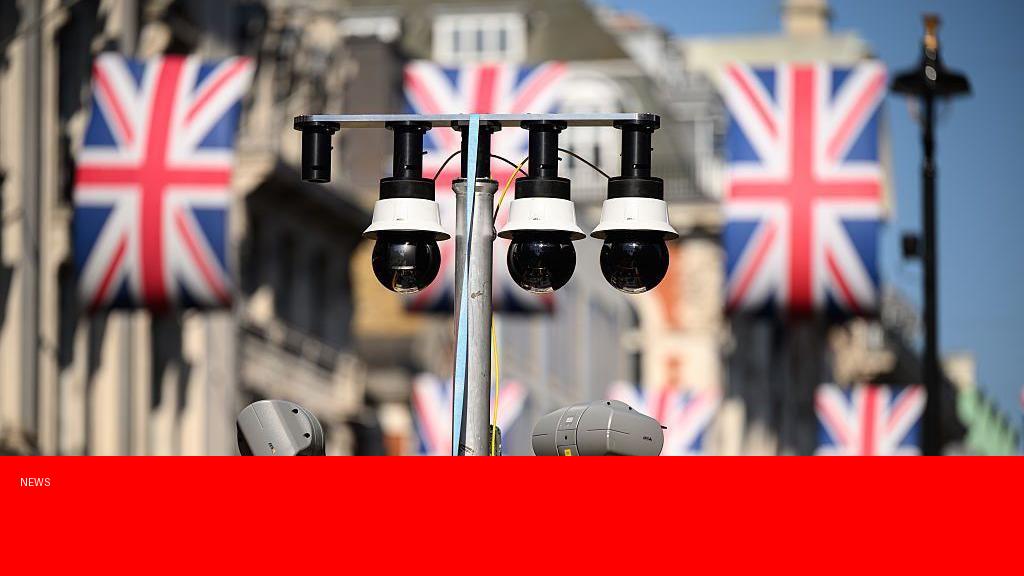
What happened
A court challenge brought against the Metropolitan Police Service (Met Police) regarding its use of live facial recognition technology was dismissed. The case, which sought to restrict or regulate the police’s deployment of this technology, was heard in a legal setting but ultimately thrown out, allowing the Met Police to continue using live facial recognition in their operations without additional judicial constraints.
Why it matters
The ruling has significant implications for privacy rights and law enforcement practices in the UK. Supporters of the technology argue that live facial recognition helps law enforcement identify suspects quickly and enhance public safety. However, critics raise concerns about potential invasions of privacy, data protection issues, and the risk of misidentification affecting innocent people. The court’s decision underscores the ongoing tension between security measures and civil liberties in the digital age.
Background
Live facial recognition technology allows police forces to scan crowds in real time and match faces against a database of individuals wanted for crimes or under investigation. The Met Police has been a prominent user of this technology in public places such as transport hubs and major events. Over the past few years, several civil rights groups and individuals have challenged its use, arguing it breaches privacy laws and lacks sufficient transparency. The legal system has been called upon to clarify the limits and acceptable frameworks for such surveillance methods.
Questions and Answers
Q: What was the main argument against the Met Police’s use of live facial recognition?
A: The main argument was that the technology infringed on individual privacy rights and posed risks of wrongful identification, lacking adequate legal oversight and transparency.
Q: What does the dismissal of the case mean for the Met Police?
A: The dismissal means the Met Police can continue using live facial recognition technology without additional court-imposed restrictions at this time.
Q: Are there any ongoing efforts to regulate live facial recognition technology in the UK?
A: Yes, there are ongoing discussions and proposed legislation aimed at regulating the use of biometric surveillance technologies, including facial recognition, to balance security needs with privacy protections.
Q: How has the public responded to the use of live facial recognition by the police?
A: Public opinion is divided; some see it as a valuable tool for crime prevention, while others fear it threatens civil liberties and could lead to misuse or abuse of power.
Source: https://www.bbc.com/news/articles/cq59x4vv954o?at_medium=RSS&at_campaign=rss