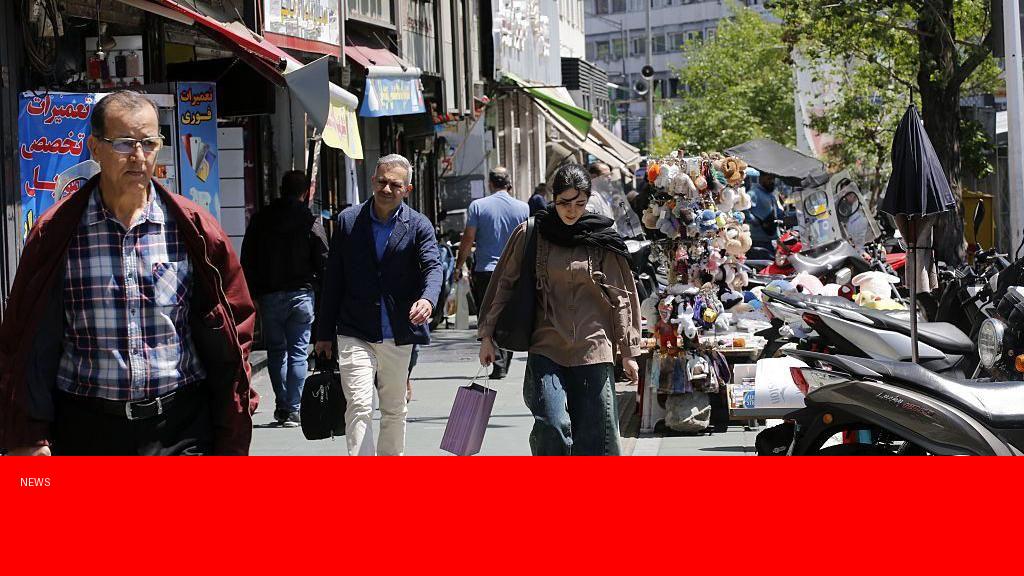
What happened
Lyse Doucet, the BBC’s Chief International Correspondent, reported from Tehran highlighting the worsening economic conditions and the increasing tensions that cast a shadow over everyday life in Iran. Amid rising inflation and severe sanctions, ordinary Iranians face growing financial difficulties while concerns about a potential return to conflict dominate public discourse.
Why it matters
The deteriorating economy and escalating geopolitical tensions in Iran have significant implications both regionally and globally. Economic hardship fuels domestic unrest and instability, which can influence Iran’s foreign policy decisions. Furthermore, the looming threat of war heightens uncertainty in a volatile region, impacting global markets, energy supplies, and international diplomatic relations.
Background
Iran has been grappling with stringent international sanctions aimed at curbing its nuclear ambitions and regional influence. These sanctions have severely affected the economy, leading to high inflation, unemployment, and a devalued currency. Concurrently, geopolitical tensions have intensified, especially after incidents in the Persian Gulf and disagreements over nuclear negotiations, raising fears of military conflict.
Questions and Answers
Q: What economic challenges are people in Tehran facing?
A: Residents are struggling with shortages of essential goods, soaring inflation, and reduced purchasing power due to sanctions and economic mismanagement.
Q: Why is there concern about a return to war?
A: Increasing military posturing and unresolved conflicts in the region, combined with failed diplomacy over Iran’s nuclear program, have heightened fears of renewed hostilities.
Q: How are these issues affecting daily life in Tehran?
A: Many Iranians are experiencing uncertainty, stress, and hardship as financial insecurity and fears of conflict disrupt normal routines and future planning.
Source: https://www.bbc.com/news/articles/cdrm8k7lzmko?at_medium=RSS&at_campaign=rss