What happened
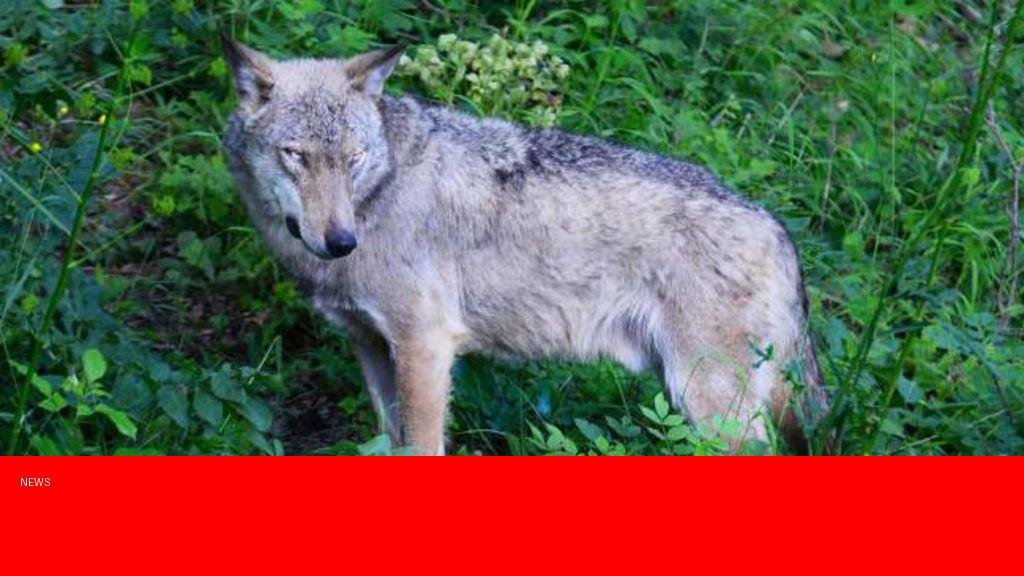
Eighteen wolves have died under suspicious circumstances in the Gran Paradiso National Park in Italy, with initial investigations pointing to poisoning as the likely cause. Park authorities discovered the bodies over the past two weeks and found traces of toxic substances during autopsies. An official investigation has been launched to identify the source of the poison and those responsible for the act.
Why it matters
The deaths of these wolves pose a significant threat to biodiversity and the delicate balance of the ecosystem within the national park. Wolves play a crucial role as apex predators, controlling prey populations and maintaining ecological health. The suspected poisoning not only endangers the survival of this protected species but also highlights ongoing conflicts between wildlife and human activities in the region.
Background
The Gran Paradiso National Park, located in the western Alps, is one of Italy’s oldest and most important nature reserves, home to a variety of wildlife including the endangered Alpine wolf. Over recent years, tensions have risen between local farmers and conservationists due to livestock predation by wolves, leading to calls for stricter management and protections. This incident occurs amidst ongoing debates about wildlife preservation versus agricultural interests in Italy and broader Europe.
Questions and Answers
Q: How did authorities determine that poisoning was the cause of death?
A: Autopsies performed on the wolf carcasses revealed toxic substances consistent with poisoning, leading officials to suspect deliberate contamination.
Q: What measures are being taken to prevent further deaths?
A: Park authorities have increased surveillance and patrols, and are working with law enforcement to trace the source of the poison in order to prevent further incidents.
Q: Are any suspects or motives known at this stage?
A: Investigations are ongoing, and while no suspects have been publicly identified, authorities are considering local conflicts between farmers and conservation efforts as a potential motive.
Q: How is the local community reacting to these deaths?
A: Reactions are mixed; some sympathize with farmers affected by livestock losses, while conservationists and park officials express deep concern about the impact on wildlife populations.
Q: What is the status of the wolf population in Gran Paradiso National Park?
A: The wolf population is considered vulnerable but stable, making these deaths particularly alarming for conservation efforts aimed at maintaining a healthy ecosystem.
Source: https://www.bbc.com/news/articles/c0mjederzwdo?at_medium=RSS&at_campaign=rss