What happened
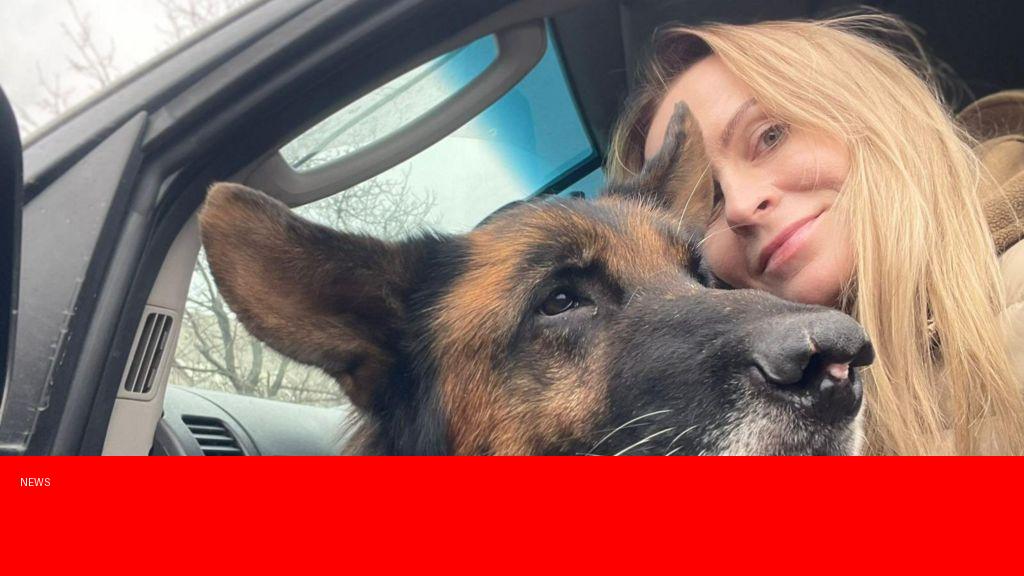
In the midst of ongoing conflict in Ukraine, several animal rescue organizations have faced criticism for their rescue operations. While these groups aim to save abandoned and injured pets from war-torn areas, some local residents and officials have raised concerns about the methods used by rescuers, claiming that certain practices may cause additional trauma to the animals. Reports have emerged of pets being removed hastily without adequate consideration of their wellbeing or the impact on their owners, leading to public debates about the ethics and effectiveness of these rescue efforts.
Why it matters
The criticism of pet rescuers highlights the complex challenges of animal welfare during times of war. Pets are often caught in the crossfire, suffering from fear, injury, and neglect. Proper rescue efforts can provide affected animals with critical care and shelter. However, if rescue operations are perceived as traumatic or insensitive, they risk alienating local communities and undermining trust, which is vital for successful cooperation. Addressing these concerns is essential to ensure animals receive compassionate treatment while maintaining community support amidst the humanitarian crisis.
Background
Ukraine’s ongoing conflict has displaced millions of people and left countless animals without homes or medical care. Numerous volunteer groups and international organizations have mobilized to assist injured, lost, or abandoned pets. These groups work to evacuate animals, provide veterinary treatment, and find foster families or permanent homes. Despite their good intentions, rescuers operate under difficult conditions, including dangerous frontlines, limited resources, and logistical challenges. The issue of animal trauma in rescue situations has gained attention as more voices call for improved standards and sensitivity in animal rescue operations during wartime.
Questions and Answers
Q: What are the main criticisms faced by pet rescuers in Ukraine?
A: Pet rescuers have been criticized for occasionally using aggressive or hasty methods that may cause additional stress or trauma to animals, as well as for taking pets without their owners’ full consent, which can strain relationships with local communities.
Q: How do rescuers justify their methods?
A: Rescuers argue that their priority is to save animals from immediate danger, often under chaotic and dangerous conditions, and that urgent evacuation is sometimes necessary to provide the animals with proper care and prevent suffering.
Q: What steps are being taken to address these concerns?
A: Some organizations are introducing stricter guidelines aimed at minimizing trauma, improving communication with pet owners, and training volunteers in animal behavior and welfare to ensure more humane rescue operations.
Q: Why is animal rescue important during the Ukraine conflict?
A: Pets provide emotional support to displaced families and are part of the social fabric. Rescuing these animals helps reduce suffering, preserves human-animal bonds, and highlights the broader humanitarian impact of the conflict.
Source: https://www.bbc.com/news/articles/cn783emlgdno?at_medium=RSS&at_campaign=rss