What happened
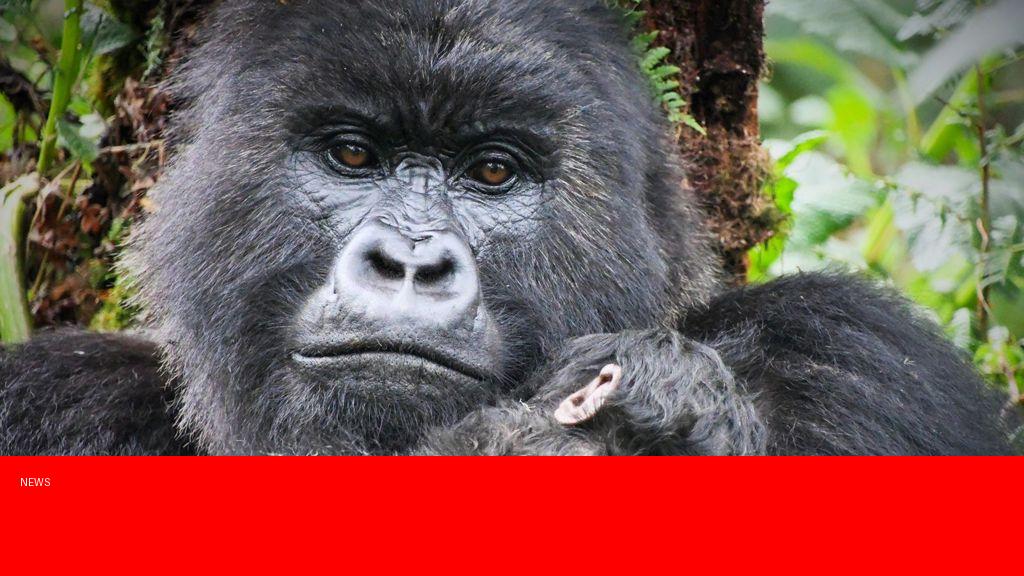
Sir David Attenborough, the renowned natural historian and broadcaster, had a memorable encounter with mountain gorillas that became one of the most iconic moments in wildlife television history. During the filming of the BBC series “Life on Earth” in the 1970s, Attenborough came face-to-face with a family of gorillas in the forests of Rwanda. The moment captured on camera showed the famed presenter’s gentle approach and the animals’ calm acceptance of his presence, creating a powerful and heartfelt connection between human and wildlife that resonated deeply with viewers worldwide.
Why it matters
This encounter helped change public perception of gorillas, shifting them from being feared or misunderstood creatures to fascinating and gentle animals deserving of protection. It highlighted the importance of conservation efforts and brought attention to the plight of endangered species. Moreover, Attenborough’s approach set a new standard for wildlife filmmaking — emphasizing respect and patience rather than interference or sensationalism — which has influenced generations of natural history documentaries and audiences alike.
Background
In the early 1970s, mountain gorillas were among the most endangered primates on Earth, with their populations in steep decline due to habitat loss and poaching. Conservationists were just beginning to raise awareness about the urgent need to protect these great apes. David Attenborough, already celebrated for his engaging storytelling in natural history, ventured into the forests of Central Africa to showcase the beauty and behavior of gorillas to the global audience through his groundbreaking BBC series. The resulting footage was groundbreaking at the time, offering unprecedented close-up views that were both educational and emotionally impactful.
Questions and Answers
Q: How did David Attenborough manage to approach the gorillas so closely?
A: Attenborough employed a calm, non-threatening demeanor, moving slowly and patiently without sudden movements, which helped the gorillas feel comfortable and less threatened by his presence.
Q: What impact did this TV moment have on conservation efforts?
A: The broadcast raised global awareness about the endangered status of mountain gorillas, spurring increased public support and funding for conservation programs aimed at protecting their habitat.
Q: Are mountain gorillas still endangered today?
A: While still classified as endangered, conservation efforts inspired in part by such awareness campaigns have helped stabilize and slowly increase their populations in recent years.
Q: Was this encounter staged in any way?
A: No, the encounter was a genuine moment captured on film during responsible, non-intrusive filming practices aligned with ethical wildlife documentary standards.
Source: https://www.bbc.com/news/articles/ce9n794g42zo?at_medium=RSS&at_campaign=rss