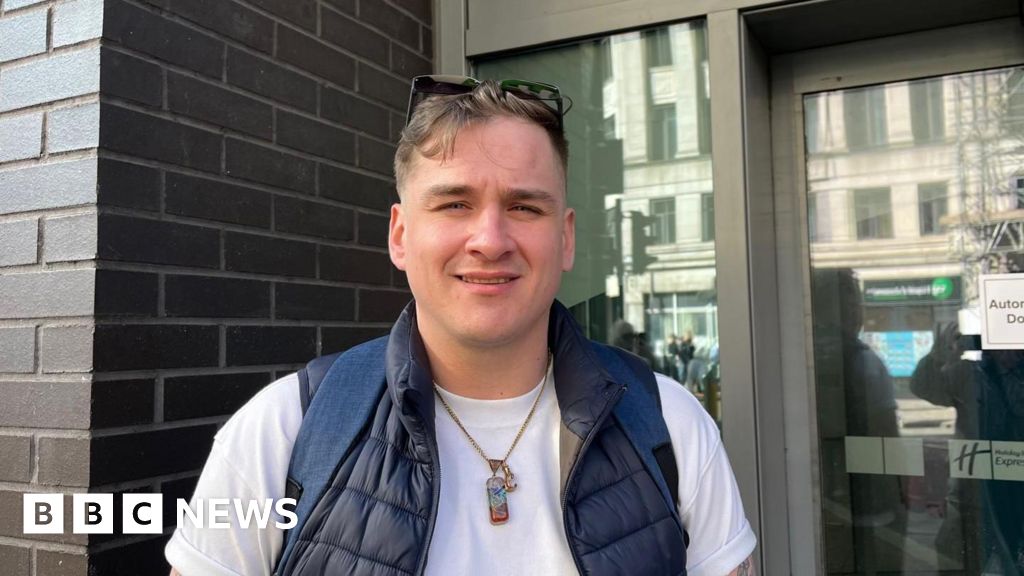
# “Holiday Inn refusing to let me stay because I was homeless changed my life”
A man who says he was turned away from a Holiday Inn because staff learned he was homeless has described the incident as a painful moment that ultimately became a turning point in his life.
According to his account, he had attempted to book a room at the hotel while going through a period of homelessness, hoping for a safe place to stay. He says that after staff became aware of his circumstances, he was refused accommodation. The experience, he said, left him feeling humiliated and excluded at a time when he was already vulnerable.
But in the months and years that followed, he says that moment pushed him to reassess his situation, seek support, and rebuild his life. What began as a distressing encounter became, in his words, the catalyst for major personal change.
## What happened
The man said he approached the Holiday Inn expecting to pay for a room like any other guest. Instead, he alleges he was denied the chance to stay because staff identified him as homeless.
He described the refusal as more than a simple customer service issue. For him, it reinforced the stigma often faced by people without stable housing — that they are seen not as paying customers or individuals in need of dignity, but as a risk to be managed or excluded.
After being turned away, he said he was forced to confront the instability of his circumstances more directly. In reflecting on the incident later, he came to view it as a decisive moment that pushed him toward change.
## Why it matters
The story highlights broader questions about how businesses treat people experiencing homelessness, especially when those individuals are able and willing to pay for services.
Hotels occupy a complicated place in the housing crisis. For some people, they serve as temporary shelter in moments of emergency, while for others they are inaccessible because of cost, identification requirements, payment rules, or staff discretion. When someone is refused a room because they are homeless, advocates say, it raises concerns about discrimination, dignity and the role private businesses play in social exclusion.
The account also underscores how single moments of rejection can have lasting consequences. For some, such experiences deepen hardship. For others, they can become a point of reckoning. In this case, the man says it did both: it hurt deeply, but it also motivated him to pursue a different path.
His story comes at a time when homelessness remains a major issue in many parts of the UK and beyond, with rising rents, cost-of-living pressures and shortages of affordable housing leaving more people in insecure living situations.
## Background context
Holiday Inn is one of the world’s best-known hotel brands, operating under the wider IHG Hotels & Resorts group. Like many hotel chains, individual properties may have policies relating to guest conduct, payment, identification and safety. Hotels generally retain the right to refuse service in certain circumstances, but campaigners argue those decisions can sometimes reflect prejudice against vulnerable people rather than legitimate operational concerns.
Homelessness charities have long warned that people without a fixed address face barriers in everyday transactions many housed people take for granted. Opening bank accounts, securing employment, accessing healthcare, and booking accommodation can all become harder without permanent housing.
Advocates say stigma remains one of the biggest obstacles. People experiencing homelessness are often stereotyped as dangerous, unreliable or disruptive, even though the causes of homelessness are varied and often rooted in structural issues such as poverty, family breakdown, ill health, domestic abuse, unemployment and lack of affordable housing.
For those trying to move out of homelessness, temporary accommodation — including hostels, shelters and sometimes hotels — can be an important bridge. Being denied access to such spaces can make an already precarious situation worse.
At the same time, stories of people who later rebuild their lives after crisis often resonate because they show both the harshness of social attitudes and the possibility of recovery when support and determination align.
## A turning point
The man said the refusal stayed with him. Rather than forgetting it, he used it as motivation to change direction. He sought help, focused on improving his circumstances and gradually moved away from homelessness.
He now describes the incident not simply as an act of exclusion, but as the moment that forced him to decide he wanted a different future. While he does not excuse what happened, he believes it altered the course of his life.
That dual reality — harm in the moment, transformation in the long run — is central to why the story has attracted attention.
## Q&A
**Q: What does the man say happened at the Holiday Inn?**
A: He says he tried to stay at the hotel but was refused a room after staff discovered he was homeless.
**Q: Why was the incident significant to him?**
A: He says it was humiliating and painful, but also became a turning point that motivated him to change his life.
**Q: Why does this story matter beyond one individual case?**
A: It raises broader concerns about stigma, discrimination and the treatment of homeless people by private businesses.
**Q: Are hotels allowed to refuse guests?**
A: Hotels can refuse service in some circumstances, often for safety, payment or policy reasons, but critics say refusal based on homelessness alone raises serious ethical concerns and potentially legal questions depending on the jurisdiction.
**Q: What broader issues does the story reflect?**
A: It reflects rising homelessness, barriers faced by people without stable housing, and the role stigma plays in limiting access to services.
**Q: What happened after the incident?**
A: According to the man, he used the experience as motivation to seek help and rebuild his life.
## Wider debate
The story is likely to fuel discussion about whether businesses should receive clearer guidance on how to handle customers experiencing homelessness. Supporters of reform argue that if a person can meet the normal conditions of booking and staying, housing status alone should not determine whether they are welcomed or rejected.
For homelessness charities, the case is another example of how exclusion can happen in ordinary settings, often away from public view. For the man at the centre of the story, however, the memory remains deeply personal: a moment of rejection that, paradoxically, helped set him on a new path.