What happened
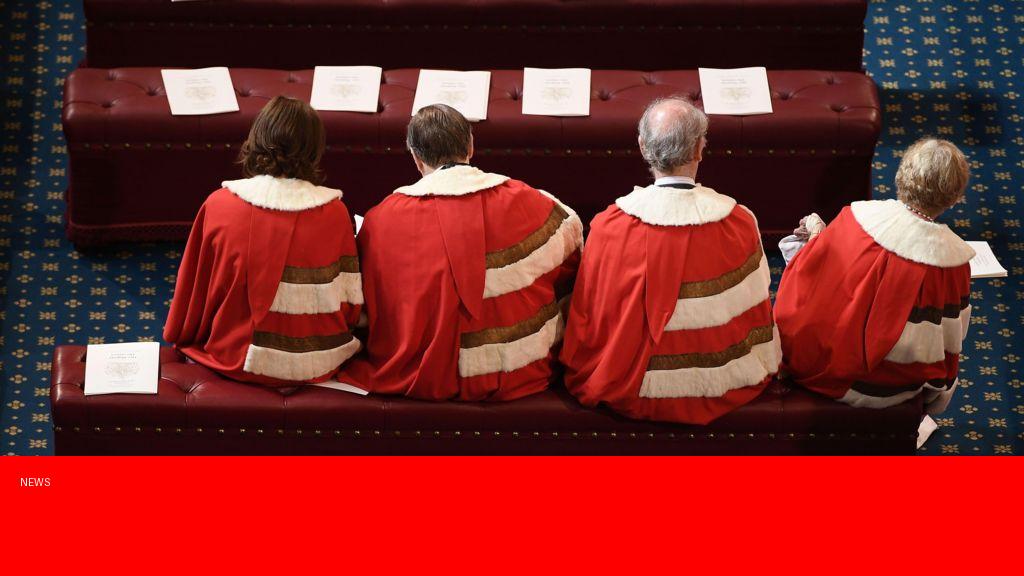
The United Kingdom officially abolished the remaining hereditary peers’ automatic right to sit in the House of Lords, ending a 700-year-old tradition. This historic change took effect after the passage of a new reform bill through Parliament, which removed the last vestiges of hereditary privilege in the upper chamber. As a result, all hereditary peers have lost their automatic seats, marking the final step in a long process to modernize the House of Lords.
Why it matters
This reform signifies a major shift in the British parliamentary system, promoting a more meritocratic and democratic approach to legislative membership. The removal of hereditary peers reduces the influence of inherited privilege in government, allowing for a House of Lords that is more representative and accountable. The change could impact how laws are scrutinized and how political power is balanced in the UK, potentially influencing future governance and public trust in democratic institutions.
Background
The House of Lords has long included hereditary peers—members who inherited their title and parliamentary seat. The system originated in medieval England, with the peerage forming the backbone of the monarchy’s advisory council. Reforms in 1999 curtailed hereditary peers’ automatic seats, allowing only 92 elected hereditary peers to remain temporarily. The latest legislation completes this reform movement by removing even these remaining hereditary members, moving towards a fully appointed or elected upper chamber. Debates over House of Lords reform have been ongoing for decades, reflecting tensions between tradition and modernization in British politics.
Questions and Answers
Q: How many hereditary peers lost their seats with this reform?
A: Approximately 92 hereditary peers who previously held temporary elected seats were removed from the House of Lords.
Q: What system replaces the hereditary peers in the House of Lords?
A: The chamber will now consist entirely of life peers appointed on merit, along with bishops and law lords, aiming for greater expertise and diversity.
Q: How long had hereditary peers been part of the House of Lords?
A: Hereditary peers have been part of the House of Lords for over 700 years, dating back to the medieval period.
Q: What were the main arguments for abolishing hereditary peers?
A: Critics argued that hereditary peers represented an outdated and undemocratic institution based on birthright rather than merit, undermining the legitimacy of the legislature.
Q: Are there plans for further reform of the House of Lords?
A: While this reform removes hereditary peers, discussions continue about introducing elected members or further changes to make the Lords more democratic.
Source: https://www.bbc.com/news/articles/ckgp5j5gpplo?at_medium=RSS&at_campaign=rss