What happened
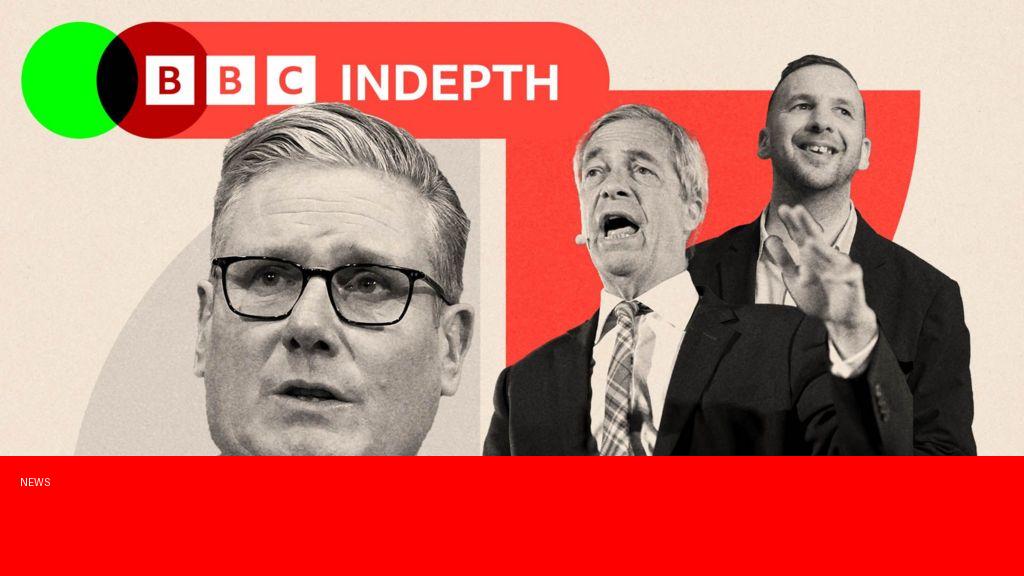
In the recent London local elections, the Labour Party experienced a significant squeeze, losing several key council seats and facing increased competition from both the Conservative Party and emerging smaller parties. This result has highlighted the fragmented nature of modern British politics, where voter loyalties are less predictable and traditional party dominance is being challenged in urban areas.
Why it matters
The Labour Party’s weakened hold in London is significant because the city has historically been a Labour stronghold and a key indicator of national political trends. The erosion of Labour’s support in the capital signals a potential shift in voter alignment and raises questions about the party’s future strategy. Additionally, the greater fragmentation among political parties suggests that coalition politics or multi-party contests may become more common, complicating governance and policy-making at both local and national levels.
Background
For decades, London has predominantly supported Labour due to its diverse population and urban policy priorities. However, recent years have seen growing dissatisfaction with mainstream parties, fueled by economic pressures, social issues, and Brexit-related divisions. Smaller parties and independents have gained ground, reflecting a broader trend of political realignment across the UK. This has resulted in increased competition within London, reducing Labour’s traditional dominance and showcasing the complexities of modern British political identity.
Questions and Answers
Q: Why has Labour’s support decreased in London?
A: Labour’s support has decreased due to a combination of factors including voter dissatisfaction with national leadership, economic concerns, and the appeal of smaller parties addressing local issues more effectively.
Q: What does the fragmentation of British politics mean for voters?
A: Fragmentation means that voters have more choices and no single party is likely to dominate, leading to more coalition governments and the need for parties to collaborate across ideological lines.
Q: Could this trend affect future general elections?
A: Yes, if fragmentation continues, it could lead to more unpredictable election outcomes and make it harder for any one party to achieve a clear majority, impacting government stability.
Q: How are smaller parties influencing London politics?
A: Smaller parties are capitalizing on local issues and voter disenchantment, successfully winning seats and pushing major parties to reconsider their policies and campaign strategies.
Source: https://www.bbc.com/news/articles/cwy2vlww2ezo?at_medium=RSS&at_campaign=rss