What happened
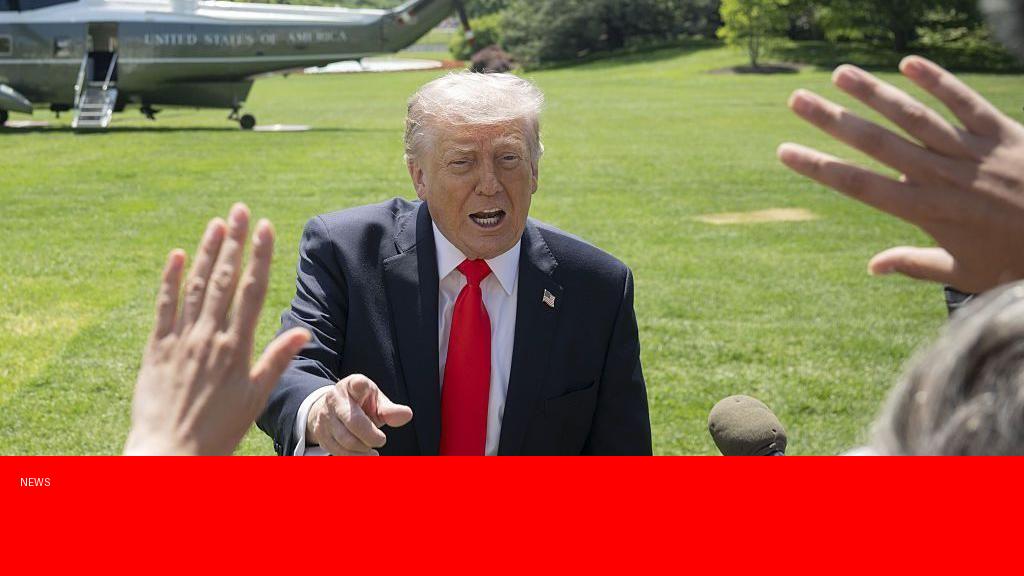
Former President Donald Trump told Congress that a ceasefire agreement means he does not need their approval to engage in military action against Iran. Trump stated that the existence of a ceasefire removes the necessity for congressional authorization for war, asserting his authority to act unilaterally in matters concerning Iran. His comments came amid ongoing tensions between the US and Iran, raising questions about executive power and the role of Congress in authorizing military force.
Why it matters
Trump’s assertion challenges the constitutional norms regarding the separation of powers, particularly the War Powers Clause, which grants Congress the authority to declare war. If the executive branch interprets ceasefire agreements as automatic clearance for military actions without legislative oversight, it could set a precedent for bypassing Congress in future conflicts. This stance has implications for US foreign policy, congressional oversight, and the checks and balances that limit unilateral military action by presidents.
Background
The US and Iran have experienced strained relations for decades, marked by confrontations, sanctions, and proxy conflicts. Congress has historically sought to assert its authority over the decision to engage in armed conflict, including through the War Powers Resolution of 1973, which requires the president to obtain authorization or notify Congress within specific timeframes for military action. Trump’s administration previously ordered targeted strikes against Iranian military figures, sparking debates over the legality and oversight of such actions. The current discourse over ceasefire agreements and war authorization highlights ongoing tensions about the scope of executive power in international conflicts.
Questions and Answers
Q: What is Trump’s justification for not seeking Congress’s approval for war with Iran?
A: Trump argues that a ceasefire agreement removes the need for congressional authorization, allowing him to act independently.
Q: How does Congress typically regulate military action?
A: Congress holds the constitutional power to declare war and passes laws such as the War Powers Resolution to oversee and limit the president’s ability to engage in hostilities.
Q: What could be the consequences of bypassing Congress in military decisions?
A: It could erode the constitutional system of checks and balances, concentrate war-making powers in the executive branch, and reduce legislative oversight.
Q: Has this issue been controversial before?
A: Yes, past actions including targeted strikes against Iranian officials during Trump’s presidency sparked debate over executive authority and congressional consent.
Q: What is the current status of US-Iran relations?
A: Relations remain tense, with intermittent diplomatic efforts and military confrontations impacting regional stability.
Source: https://www.bbc.com/news/articles/c4g4xexy4w7o?at_medium=RSS&at_campaign=rss