What happened
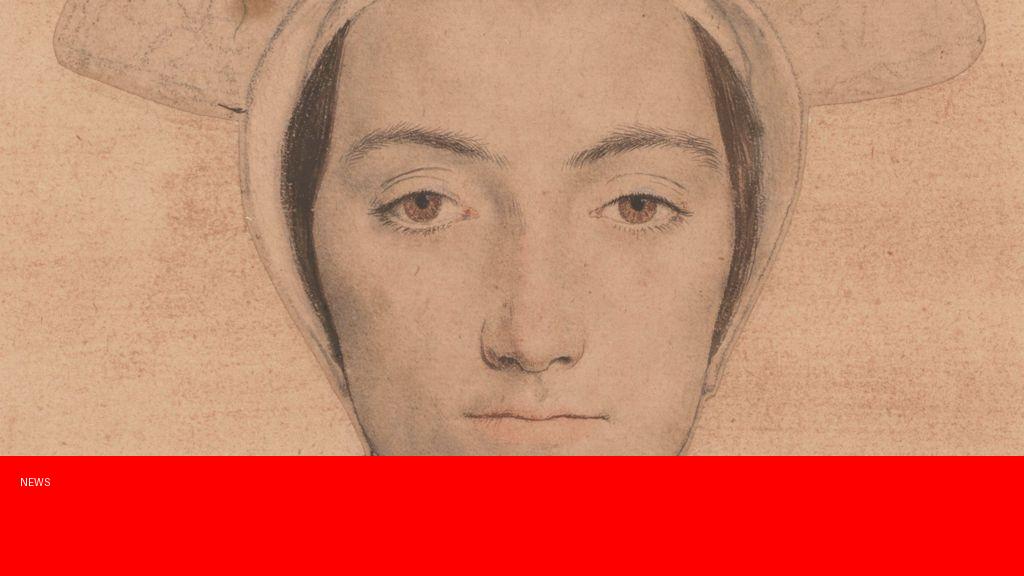
A newly discovered portrait believed to be of Anne Boleyn, the second wife of King Henry VIII, has sparked intense debate among historians and art experts. The portrait, found in a private collection in England, shows a woman with distinct features that differ markedly from the traditionally accepted images of Anne Boleyn. Researchers are now investigating the authenticity of the painting to determine whether it truly represents the real face of the historical figure.
Why it matters
The identification of this portrait as Anne Boleyn’s real likeness could reshape public and academic understanding of the Tudor queen’s appearance and identity. Most existing depictions of Anne derive from artistic interpretations created years after her death, meaning a verified original likeness could provide valuable insight into her personality, status, and how she was perceived during her lifetime. Furthermore, confirming the portrait’s authenticity would be a major cultural discovery, attracting global interest and potentially revising historical narratives related to one of England’s most famous monarchs.
Background
Anne Boleyn was the second wife of King Henry VIII and mother to Queen Elizabeth I. Her life and tragic execution have made her an iconic figure in English history. Despite her prominence, no verified contemporary portraits of Anne Boleyn are known to exist; most images were created posthumously and bear little resemblance to each other. Previous attempts to find a genuine likeness have often been inconclusive, relying heavily on artistic conjecture and limited documentary evidence. This new portrait provides a rare opportunity to challenge or confirm long-held assumptions about Anne’s appearance.
Questions and Answers
Q: How was the portrait discovered?
A: The portrait was found in a private collection during an estate sale in rural England, prompting experts to examine its provenance and historical context.
Q: What differences does the portrait show compared to traditional images of Anne Boleyn?
A: The portrait depicts Anne with a rounder face, shorter neck, and softer features, contrasting with the slender and angular portrayals common in Tudor art.
Q: What methods are historians using to verify the portrait’s authenticity?
A: Experts are employing techniques such as pigment analysis, radiocarbon dating, and comparing the portrait to documented historical descriptions to assess its origin and accuracy.
Q: Could this portrait alter existing historical views of Anne Boleyn?
A: Potentially, yes. If authenticated, it might lead historians to reconsider aspects of Anne’s public image and personal identity during her life.
Q: When can we expect a final conclusion on the portrait’s authenticity?
A: The investigation is ongoing, but experts anticipate publishing their findings within the next six months.
Source: https://www.bbc.com/news/articles/cp9pz53e891o?at_medium=RSS&at_campaign=rss