What happened
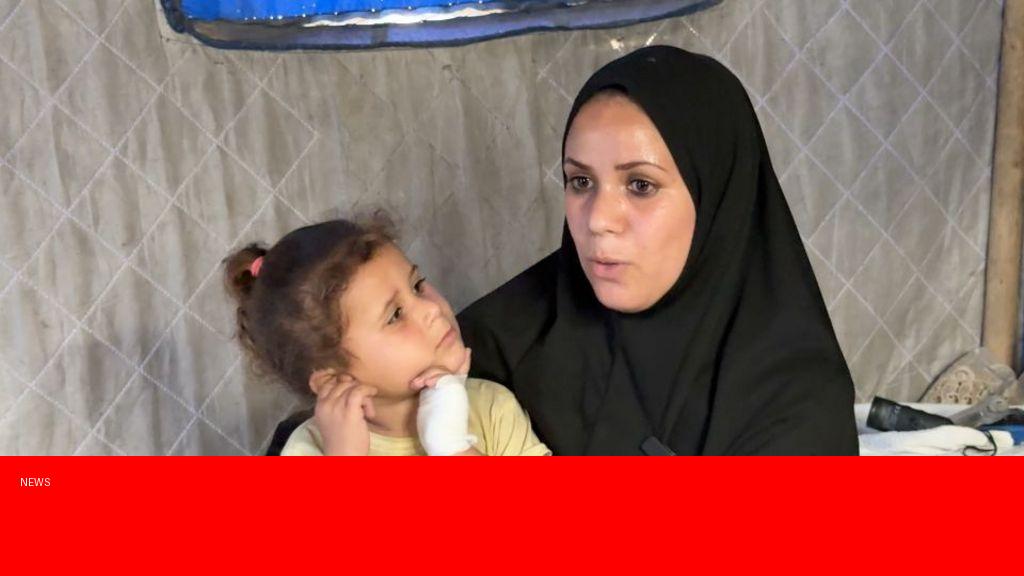
Camps housing displaced Gazan residents have been infested by rats and weasels, causing significant distress and health concerns among the population. Residents report that the pests are active mostly at night, with one saying, “If we sleep they bite,” highlighting the severity of the situation. The infestation has affected multiple camps, leading to damage of personal belongings and increased risk of disease transmission.
Why it matters
This infestation poses serious health risks to already vulnerable displaced individuals. Rats and weasels can carry diseases and contaminate food supplies, potentially triggering outbreaks in densely populated camps with limited medical resources. The psychological toll on displaced families, who have fled conflict only to face unhygienic living conditions, also exacerbates their trauma. Addressing the infestation is critical to improving living conditions and preventing further public health crises in Gaza.
Background
The Gaza Strip has seen repeated conflict and displacement over recent years, forcing thousands into makeshift camps. Overcrowding, lack of sanitation, and insufficient infrastructure have long been challenges in these settlements. In recent months, elevated poverty and disruption of municipal services have worsened conditions, creating an environment where pest populations thrive. Previous efforts to control infestations have been hampered by limited access to resources and ongoing instability in the region.
Questions and Answers
Q: How widespread is the infestation in Gaza’s displacement camps?
A: Reports indicate that multiple camps across Gaza are affected, with infestations particularly severe in overcrowded and poorly maintained areas.
Q: What health risks do these pests pose to displaced residents?
A: Rats and weasels can transmit diseases such as leptospirosis and hantavirus. Their presence also contaminates food and water sources, increasing the risk of gastrointestinal infections.
Q: What measures are being taken to address the infestation?
A: Local authorities and humanitarian organizations are attempting pest control interventions, but efforts are limited by resource constraints and restricted access due to ongoing conflict.
Q: Why is this situation especially difficult to resolve in Gaza?
A: The combination of ongoing conflict, blockade-related shortages, overcrowding, and damaged infrastructure complicates sanitation efforts and pest control in displaced persons camps.
Q: What can international organizations do to help?
A: Providing emergency funding, pest control supplies, and support for improving sanitation infrastructure are key ways international groups can assist displaced Gazans facing this infestation.
Source: https://www.bbc.com/news/articles/c202m54xp0mo?at_medium=RSS&at_campaign=rss