What happened
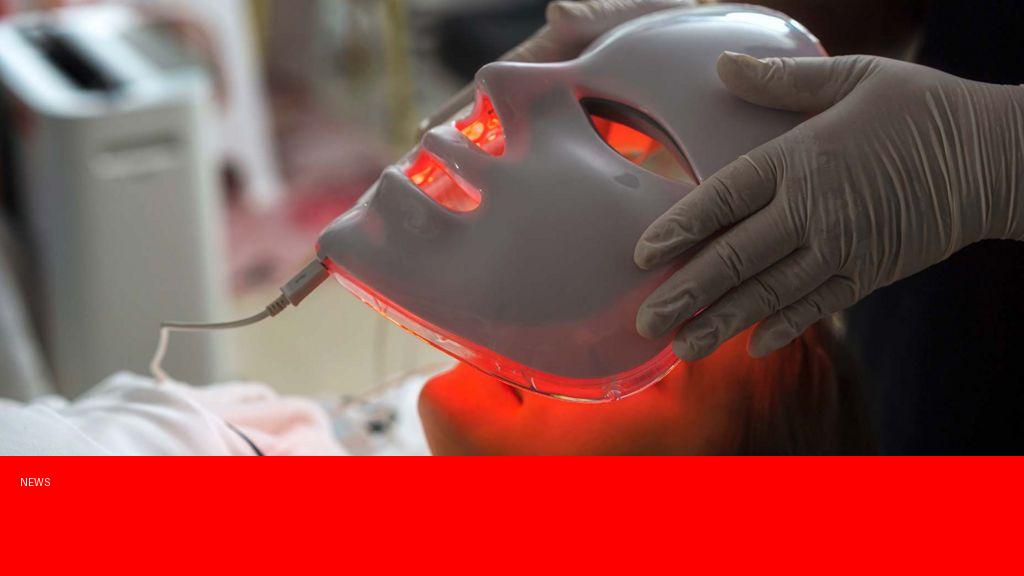
The red light therapy trend has surged in popularity, with consumers flocking to products ranging from full-body beds to portable LED masks. These devices claim to harness specific wavelengths of red and near-infrared light to provide benefits such as skin rejuvenation, pain relief, and improved sleep. As more brands enter the market, the question arises: are these treatments delivering genuine health benefits or merely offering a comforting glow?
Why it matters
The growing enthusiasm around red light therapy has significant implications for both consumers and healthcare professionals. If proven effective, these non-invasive treatments could offer alternatives to traditional therapies for skin conditions, inflammation, and even mental health. However, without rigorous scientific backing, users might waste money or delay seeking appropriate medical treatment. Understanding the true impact of red light therapy is crucial to helping people make informed health decisions.
Background
Red light therapy uses low-level wavelengths of red or near-infrared light to stimulate cellular processes. Initially explored for wound healing and inflammation reduction, it’s now promoted for a wide array of uses, including anti-aging skincare, muscle recovery, and mood enhancement. The technology has evolved from clinical devices to consumer-friendly gadgets like LED masks and light beds. Regulatory bodies have yet to fully endorse all claimed benefits, leading to ongoing debate in the medical community about its efficacy and safety.
Questions and Answers
Q: What exactly is red light therapy?
A: Red light therapy involves exposure to low-level wavelengths of red or near-infrared light, which are believed to penetrate the skin and stimulate cellular activity that promotes healing and regeneration.
Q: Are there scientifically proven benefits to using red light therapy devices?
A: Some studies suggest benefits such as improved wound healing and reduced inflammation, but comprehensive clinical trials validating all consumer claims, especially for cosmetic uses, remain limited.
Q: Is red light therapy safe for all users?
A: Generally, red light therapy is considered safe when used appropriately, but users with certain conditions or those pregnant should consult a healthcare provider before use.
Q: How do at-home devices like LED masks compare to professional red light therapy treatments?
A: At-home devices typically use lower power levels than clinical machines, which may result in milder effects. Professional treatments are usually administered under supervision to ensure correct dosage and maximum efficacy.
Q: Should consumers invest in red light therapy products?
A: Potential users should research available evidence, consult healthcare professionals, and consider red light therapy as a complementary option rather than a primary treatment method.
Source: https://www.bbc.com/news/articles/c2lw59jrdkxo?at_medium=RSS&at_campaign=rss