What happened
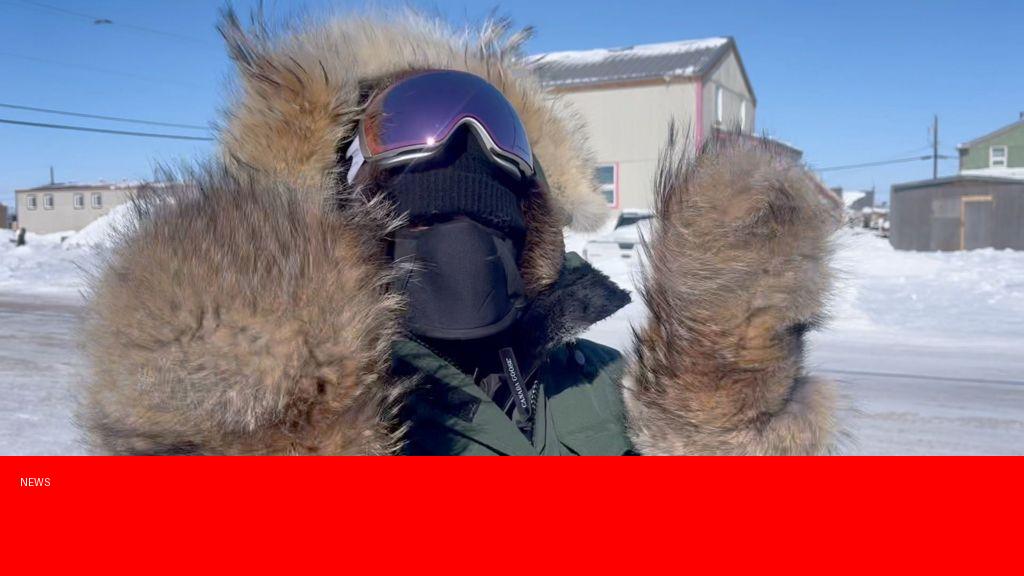
A team of journalists recently conducted on-the-ground reporting in Canada’s Arctic region despite facing extreme cold temperatures dropping to -30°C. The report covered local communities, wildlife, and the challenges posed by harsh weather conditions. The journalists documented their experiences and findings while using specialized equipment to withstand the severe cold.
Why it matters
Reporting from such extreme environments is crucial to raise awareness about the realities faced by Arctic inhabitants amid climate change. The region is warming at twice the global average, affecting ecosystems and Indigenous ways of life. By reporting directly from the Arctic in dangerous weather, the team provided authentic insights that help inform public understanding and policy discussions around environmental protection and support for northern communities.
Background
Canada’s Arctic territory covers vast areas characterized by tundra, ice, and snow throughout most of the year. Temperatures in winter often plummet well below -20°C, making outdoor work perilous. The area has significant Indigenous populations who depend on the land for traditional livelihoods. Climate change has caused rapid warming, melting sea ice, and disrupting wildlife patterns, putting pressure on both the environment and local cultures. Media coverage in such conditions is rare due to logistical difficulties and safety concerns.
Questions and Answers
Q: How did the journalists prepare for reporting in -30°C temperatures?
A: The journalists undertook extensive preparation, including specialized cold-weather gear, training on frostbite prevention, and using equipment rated for extreme cold. They also planned for limited outdoor exposure and had emergency protocols in place.
Q: What challenges did the team face while reporting?
A: They dealt with equipment freezing, risk of frostbite, limited mobility due to bulky clothing, and rapidly changing weather. Communication difficulties and logistical constraints also complicated their work.
Q: Why is reporting directly from the Arctic important?
A: On-the-ground reporting offers firsthand perspectives that bring visibility to the struggles of Arctic residents and the stark effects of climate change, which can sometimes be abstract in distant news stories.
Q: How does the extreme cold impact local communities in the Arctic?
A: Extreme cold affects daily life, health, transportation, and infrastructure. It also challenges traditional hunting and gathering practices, and increasing climate variability adds further unpredictability.
Q: What can readers learn from this Arctic reporting?
A: Readers gain a deeper understanding of Arctic realities, the urgency of climate action, and the resilience of northern communities facing environmental and social challenges.
Source: https://www.bbc.com/news/videos/cvgz3pnn1ppo?at_medium=RSS&at_campaign=rss