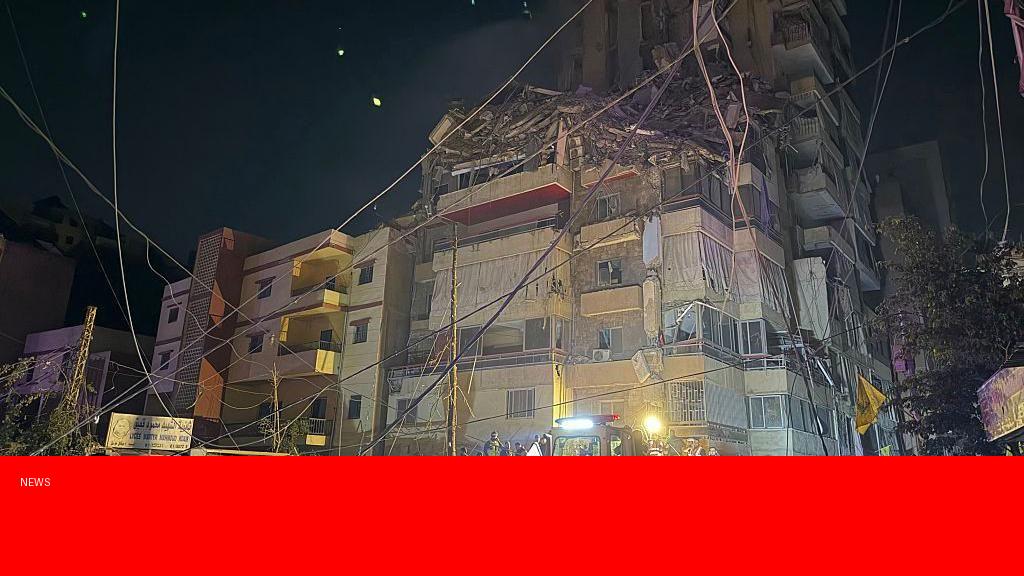
What happened
Israel conducted airstrikes targeting locations in Beirut, Lebanon, marking the first such military action in the city since a Hezbollah ceasefire was established. The strikes reportedly focused on sites believed to be linked to Hezbollah operations. This development represents a significant escalation in the already tense relations between Israel and the Lebanon-based militant group.
Why it matters
The Israeli airstrikes in Beirut raise concerns about a renewed escalation of conflict in the region. Hezbollah, a powerful political and militant organization in Lebanon, has been a central actor in previous conflicts with Israel. The strikes could undermine recent ceasefire agreements and destabilize the fragile security situation in Lebanon, potentially drawing the region into broader hostilities. Moreover, civilian infrastructure damage and potential casualties may exacerbate humanitarian issues in Beirut.
Background
Hezbollah and Israel have a long and complex history of conflict, including the 2006 Lebanon War. Since then, various ceasefires and agreements have helped to maintain a uneasy peace. Hezbollah maintains significant influence in Lebanese politics and operates a well-armed militia. Israeli security forces have frequently accused Hezbollah of preparing attacks against Israel and storing weapons in Lebanon. The recent ceasefire had contributed to a decrease in direct confrontations, making this Israeli strike in Beirut an unprecedented move and a possible sign of deteriorating relations.
Questions and Answers
Q: What prompted Israel to strike Beirut at this time?
A: Israeli officials have stated that the strikes targeted Hezbollah positions in response to intelligence about imminent threats or ongoing militant activities, although details remain sensitive and are officially undisclosed.
Q: Were there any casualties reported from the airstrikes?
A: As of now, reports on casualties or damage are still emerging, with Lebanese authorities assessing the situation.
Q: How has Hezbollah responded to the strikes?
A: Hezbollah has condemned the Israeli airstrikes as a violation of Lebanese sovereignty and warned that it reserves the right to respond accordingly.
Q: What does this mean for Lebanon’s internal stability?
A: The strikes risk inflaming sectarian tensions and political instability within Lebanon, which is already facing economic and social challenges.
Q: Are there international efforts to de-escalate the situation?
A: Various international actors, including the United Nations, have called for restraint and dialogue to prevent further escalation in the region.
Source: https://www.bbc.com/news/articles/crmpjjl02l2o?at_medium=RSS&at_campaign=rss