What happened
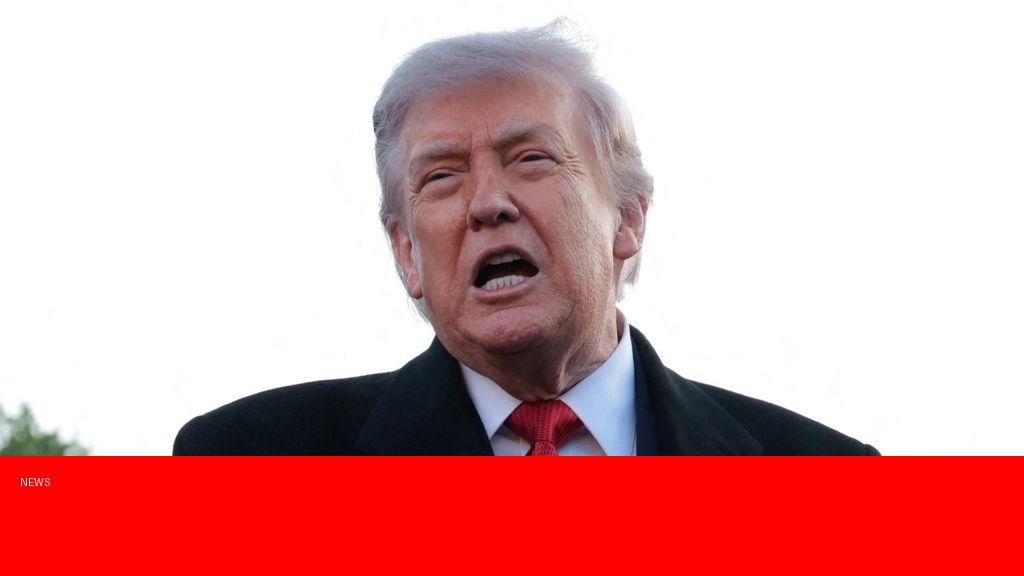
Former President Donald Trump stated that the ceasefire agreement between the United States and Iran remains in place despite a recent exchange of fire in the Strait of Hormuz. The incident involved military vessels from both countries firing warning shots at one another, escalating tensions in the strategically critical waterway. Trump reassured that, although the confrontation was serious, it did not break the underlying ceasefire arrangement.
Why it matters
The Strait of Hormuz is a vital chokepoint for global oil shipments, with a significant percentage of the world’s petroleum passing through it daily. Any military escalation in this region poses risks to global energy markets and international security. Trump’s affirmation that the ceasefire still holds provides some relief to investors and policymakers concerned about a potential conflict between the US and Iran, which could disrupt oil supplies and heighten geopolitical instability in the Middle East.
Background
Tensions between the US and Iran have remained high over the past several years, exacerbated by the US withdrawal from the Iran nuclear deal in 2018 and subsequent sanctions on Tehran. The Strait of Hormuz has been a recurring flashpoint, with incidents involving naval forces and oil tanker seizures frequently reported. A ceasefire or de-escalation arrangement was previously reached to prevent open conflict, but such agreements have often been fragile due to ongoing disagreements and proxy conflicts in the region.
Questions and Answers
Q: What triggered the recent exchange of fire in the Strait of Hormuz?
A: The exact trigger remains unclear, but both US and Iranian naval vessels reportedly engaged after one side perceived a violation of navigation or safety protocols, leading to warning shots being fired.
Q: Has there been any official response from Iranian authorities?
A: Iranian officials have confirmed the incident but framed it as a defensive measure, emphasizing that they do not wish to escalate tensions further.
Q: What actions are being taken to prevent future confrontations?
A: Diplomatic channels remain open, and both nations have expressed interest in maintaining the ceasefire to avoid broader conflict, although mutual distrust continues to complicate negotiations.
Q: How might this incident affect global oil prices?
A: Any military activity near the Strait of Hormuz tends to increase market volatility and can lead to temporary price spikes due to fears of supply disruptions. However, Trump’s statement about the ceasefire aims to stabilize expectations.
Source: https://www.bbc.com/news/articles/c626zyywxjno?at_medium=RSS&at_campaign=rss