What happened
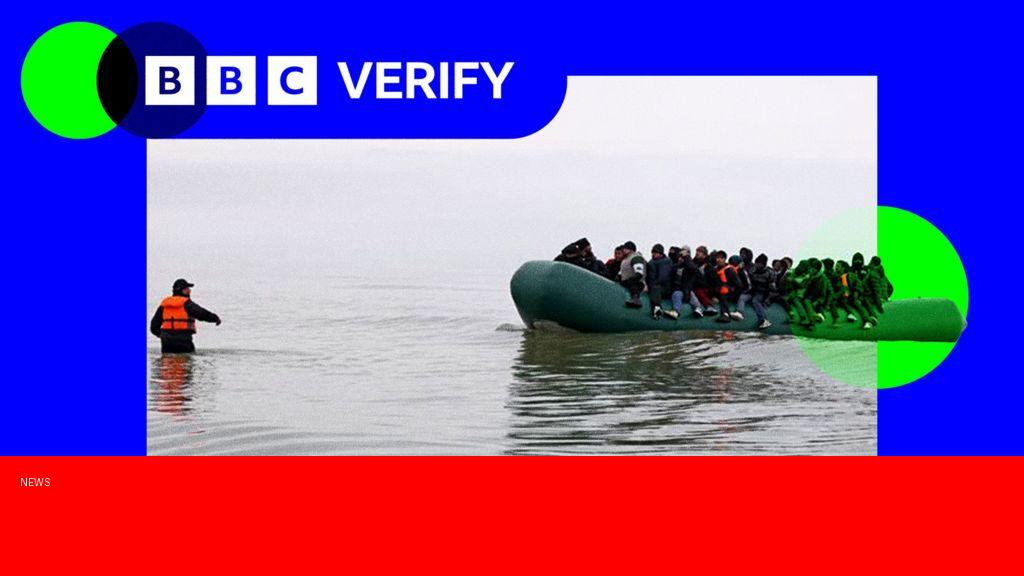
Since 2018, more than 200,000 migrants have crossed the English Channel in small boats to reach the United Kingdom. This significant milestone highlights a dramatic increase in the number of people attempting the perilous journey across one of the world’s busiest shipping lanes, often risking their lives to seek asylum or better opportunities in the UK.
Why it matters
The surge in Channel crossings has put considerable strain on UK border security and rescue services, sparking intense political debate over immigration policies and cross-border cooperation with France. The human cost is also profound, with numerous fatalities reported due to the dangerous conditions of the journey. This situation underscores the urgent need for effective international solutions to manage migration and protect vulnerable individuals.
Background
The English Channel crossing by migrants has steadily increased over the past years, driven by conflicts, economic hardship, and instability in countries such as Syria, Afghanistan, and parts of Africa. Traditionally, migrants sought entry to the UK via Calais, often trying to stow away in trucks. However, tighter security measures have pushed many to attempt the hazardous boat crossing. Both the UK and French governments have been working on joint initiatives to curb illegal crossings, but with limited success so far.
Questions and Answers
Q: Why are migrants choosing to cross the Channel in small boats?
A: Migrants often see the Channel crossing in small boats as a relatively accessible route to the UK, especially after increased security around traditional routes like truck smuggling. Desperate circumstances and limited legal pathways to asylum also drive this dangerous method.
Q: How are authorities responding to the increase in crossings?
A: UK and French authorities have increased patrols, enhanced surveillance, and invested in rescue operations to prevent loss of life. They have also engaged in diplomatic efforts to improve border cooperation and dismantle smuggling networks.
Q: What risks do migrants face during the crossing?
A: Migrants face extreme risks including hypothermia, drowning, and capsizing due to overcrowded and unseaworthy vessels. The Channel’s strong currents and busy shipping traffic add to the danger of the journey.
Q: Has the situation improved or worsened since 2018?
A: The number of crossings has generally increased since 2018, with some fluctuations. Despite efforts by governments, the trend reflects ongoing migration pressures and limited alternative legal routes.
Source: https://www.bbc.com/news/articles/cx249y1jew2o?at_medium=RSS&at_campaign=rss