What happened
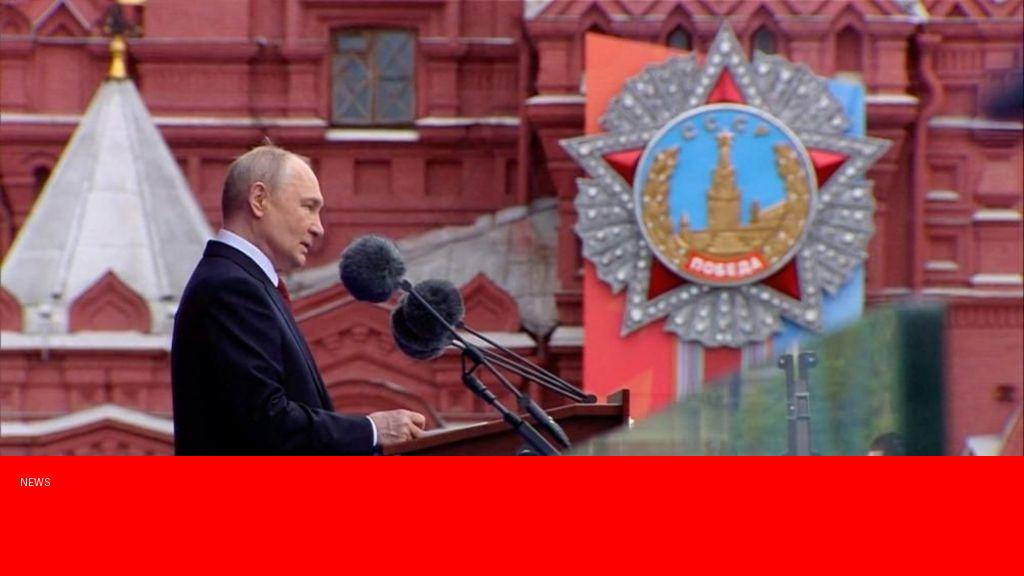
Russian President Vladimir Putin delivered a forceful denunciation of NATO during the scaled-back Victory Day parade held in Moscow on May 9, 2024. The annual parade, which commemorates the Soviet Union’s victory over Nazi Germany in World War II, was notably smaller this year amid ongoing economic challenges and international tensions. Speaking in Red Square, Putin accused NATO of aggressive expansion and warned that the alliance’s policies threatened global security.
Why it matters
Putin’s statements at the Victory Day parade underscore the continued strain between Russia and Western countries, particularly NATO members. His denunciation signals Moscow’s unwillingness to ease tensions despite ongoing diplomatic efforts and sanctions. This rhetoric can further complicate international relations and exacerbate global instability, particularly in the context of the ongoing conflict in Ukraine and broader security concerns in Eastern Europe.
Background
Victory Day is one of Russia’s most significant national holidays, marked by military parades showcasing its armed forces. This year’s event was scaled back due to economic pressures from Western sanctions and the protracted conflict in Ukraine, which began in 2022 following Russia’s invasion. Since then, relations between Russia and NATO have deteriorated sharply, with Moscow viewing NATO’s enlargement and military presence near its borders as a direct threat to its sovereignty and security.
Questions and Answers
Q: Why was the Victory Day parade scaled back this year?
A: The parade was scaled back largely due to economic difficulties caused by Western sanctions and the ongoing conflict in Ukraine, which have limited Russia’s resources.
Q: What specific criticisms did Putin make about NATO?
A: Putin accused NATO of aggressive expansionism and claimed that the alliance’s activities are destabilizing global security and threatening Russia’s national interests.
Q: How might Putin’s remarks affect international relations?
A: His strong criticism could harden divisions between Russia and the West, making diplomatic resolutions more difficult and potentially increasing tensions in Eastern Europe.
Q: Has Russia traditionally used Victory Day for political messaging?
A: Yes, Victory Day often serves as an occasion for Russian leaders to emphasize national pride and military strength, and to convey political messages related to security and foreign policy.
Source: https://www.bbc.com/news/articles/c626xjq0q0vo?at_medium=RSS&at_campaign=rss