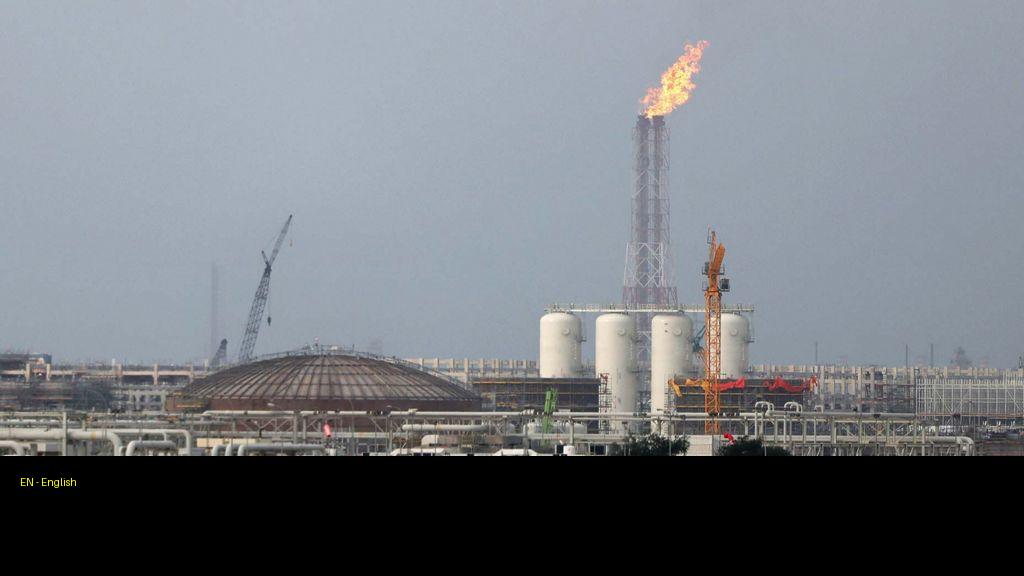
What happened
Gas prices across the United States have been steadily increasing over the past several weeks, reaching their highest levels in more than a year. The average price for a gallon of regular gasoline recently surpassed $4.30, driven by a combination of rising crude oil costs, supply chain disruptions, and increased demand as the summer travel season approaches. This surge is impacting drivers nationwide, with some regions experiencing even sharper price jumps.
Why it matters
Rising gas prices directly affect consumers by increasing the cost of commuting, travel, and the transportation of goods. Higher fuel expenses can strain household budgets, reduce disposable income, and contribute to overall inflation. For businesses dependent on transportation, such as logistics and delivery services, increased fuel costs may lead to higher prices for goods and services. Additionally, sustained high prices could influence consumer behavior, potentially reducing travel plans or shifting demand toward more fuel-efficient or electric vehicles.
Background
Gasoline prices fluctuate due to a variety of factors, including crude oil supply and demand, geopolitical tensions, seasonal demand changes, and refinery operations. Historically, prices tend to rise in the spring and summer months as driving increases. Recent global events, such as conflicts affecting oil-producing regions and shifts in production policies by major oil exporters, have contributed to volatility in oil markets. The COVID-19 pandemic also disrupted supply chains and affected demand patterns, with the market still adjusting to these changes.
Questions and Answers
Q: Why are gas prices increasing right now?
A: Gas prices are rising primarily due to higher crude oil prices, increased demand from more people traveling, and ongoing supply chain challenges that limit fuel availability.
Q: How much more will I be paying for gas compared to last year?
A: On average, gas prices are about 50 to 70 cents higher per gallon than the same time last year, depending on the region.
Q: Will these high gas prices last long?
A: It’s uncertain, but prices often peak in the summer and may decrease in the fall as demand slows. However, geopolitical and economic factors could influence how long prices remain high.
Q: What can consumers do to reduce the impact of rising gas prices?
A: Consumers can consider carpooling, using public transportation, driving more fuel-efficient vehicles, combining errands to reduce trips, or exploring alternative transportation options.
Q: How do rising gas prices affect the economy overall?
A: Higher fuel costs can increase transportation and production expenses, which may lead to higher prices for goods and services, contributing to inflation and potentially slowing economic growth.
Source: https://www.bbc.com/news/articles/cj6d66w0995o?at_medium=RSS&at_campaign=rss