What happened
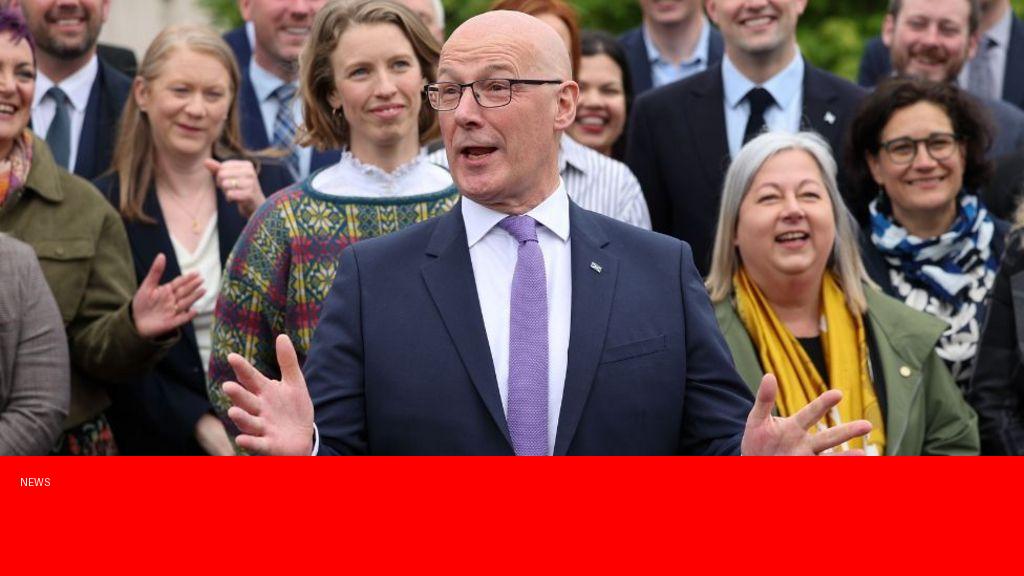
SNP leader John Swinney has officially ruled out any talks with Reform UK regarding collaboration at the Holyrood Parliament. Swinney stated that the Scottish National Party will not engage in discussions or form any alliances with Reform UK, a party known for its hardline positions on issues such as Brexit and immigration. This announcement came amid ongoing debates within the Scottish Parliament following the recent elections.
Why it matters
Swinney’s decision signals a clear stance on the SNP’s part to distance itself from parties with contrasting political ideologies, particularly those seen as right-wing or hardline. This affects the potential for cross-party cooperation on legislation and governance in Holyrood. The SNP’s refusal to engage with Reform UK may limit the political landscape’s fluidity but reinforces the party’s commitment to its core values, potentially shaping future policy directions and coalition possibilities in Scotland.
Background
The SNP has been the dominant political force in Scotland for several years, advocating for Scottish independence and progressive policies. Reform UK, a UK-wide party formed from the Brexit Party, holds a significantly different stance, particularly on constitutional matters and social policies. Following the Scottish Parliament elections, discussions about possible alliances and cooperation between smaller parties have emerged, prompting Swinney’s firm rejection of any dialogue with Reform UK.
Questions and Answers
Q: Why has John Swinney ruled out talks with Reform UK?
A: Swinney ruled out talks to maintain the SNP’s political integrity and avoid collaboration with a party whose policies conflict with the SNP’s values, particularly on issues like Brexit and immigration.
Q: Could this decision affect legislative processes in Holyrood?
A: Yes, by refusing to engage with Reform UK, the SNP may reduce the pool of potential allies, which could impact the negotiation and passage of certain bills or policies.
Q: What are Reform UK’s main political positions?
A: Reform UK is known for its strong support of Brexit, tougher immigration policies, and a more conservative approach compared to the SNP’s progressive agenda.
Q: Has the SNP engaged with other parties after the recent elections?
A: The SNP typically works with parties that share similar goals, such as the Scottish Greens, but remains cautious about forming coalitions with ideologically distant parties like Reform UK.
Source: https://www.bbc.com/news/articles/cddpevvv97jo?at_medium=RSS&at_campaign=rss