What happened
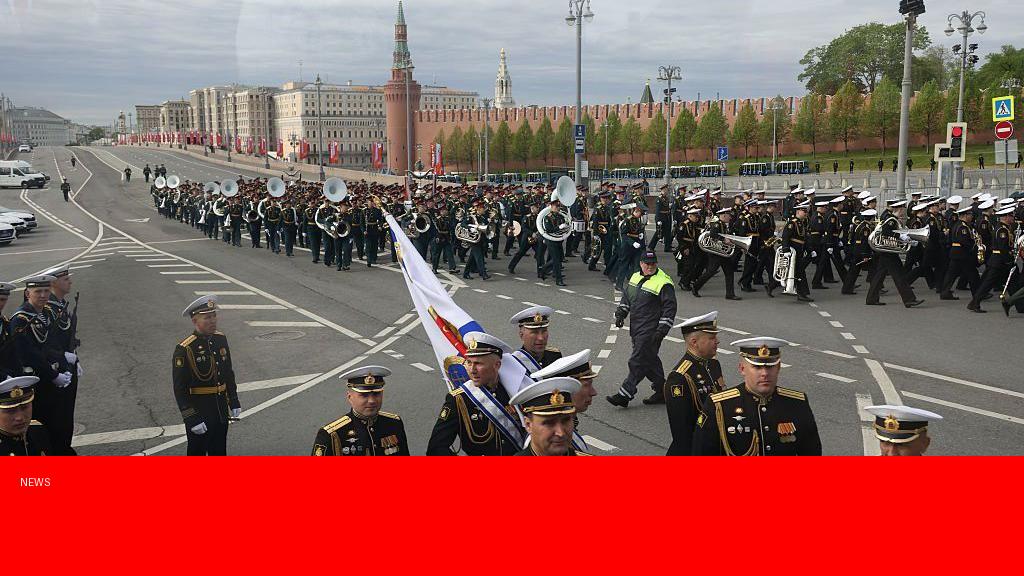
This year’s Victory Day parade in Moscow, held on May 9th to commemorate the Soviet Union’s victory over Nazi Germany in World War II, carried a noticeably different atmosphere compared to previous years. Steve Rosenberg, BBC’s Moscow correspondent, reported that the event felt more somber and politically charged, reflecting Russia’s current geopolitical tensions and the ongoing conflict in Ukraine. Despite the traditional military display, the parade seemed subdued, with muted celebrations and an underlying tone of defiance rather than triumph.
Why it matters
The change in tone at this year’s Victory Day parade is significant because it signals a shift in Russia’s national mood and international posture. Victory Day is typically a symbol of pride and historic achievement, but the altered atmosphere highlights the pressure the Kremlin faces amid Western sanctions and global criticism. This shift could affect Russia’s domestic unity and how the country projects power on the world stage, influencing diplomatic relations and internal political dynamics going forward.
Background
Victory Day is one of Russia’s most important national holidays, marked by a grand military parade on Red Square in Moscow. It honors the sacrifices made during World War II, with displays of military hardware and a procession of veterans. Over the years, the event has also been used to showcase Russia’s military strength and boost patriotic sentiment. However, since Russia’s invasion of Ukraine in February 2022, international reactions and domestic attitudes have shifted, casting a shadow over the celebrations and changing the event’s tone.
Questions and Answers
Q: How did the atmosphere of the parade differ from previous years?
A: The parade was more subdued, with less celebratory fervor and a more serious, defiant tone reflecting Russia’s current political challenges.
Q: What does the changed tone suggest about Russia’s current situation?
A: It suggests that Russia is dealing with heightened international isolation and internal pressures, affecting both national pride and confidence.
Q: Has the format of the parade changed as well?
A: While the parade included the traditional military hardware and marching troops, the overall mood and messaging were noticeably different, emphasizing strength amid adversity rather than unrestrained celebration.
Q: Why is Victory Day important in Russia?
A: It commemorates the Soviet victory in World War II, serves as a symbol of national pride, and is a major patriotic event celebrated across the country.
Q: How might this year’s parade affect Russia’s international relations?
A: The parade’s tone underscores Russia’s defiance in the face of Western sanctions and criticism, which may further entrench geopolitical tensions.
Source: https://www.bbc.com/news/articles/cj9pem481rwo?at_medium=RSS&at_campaign=rss