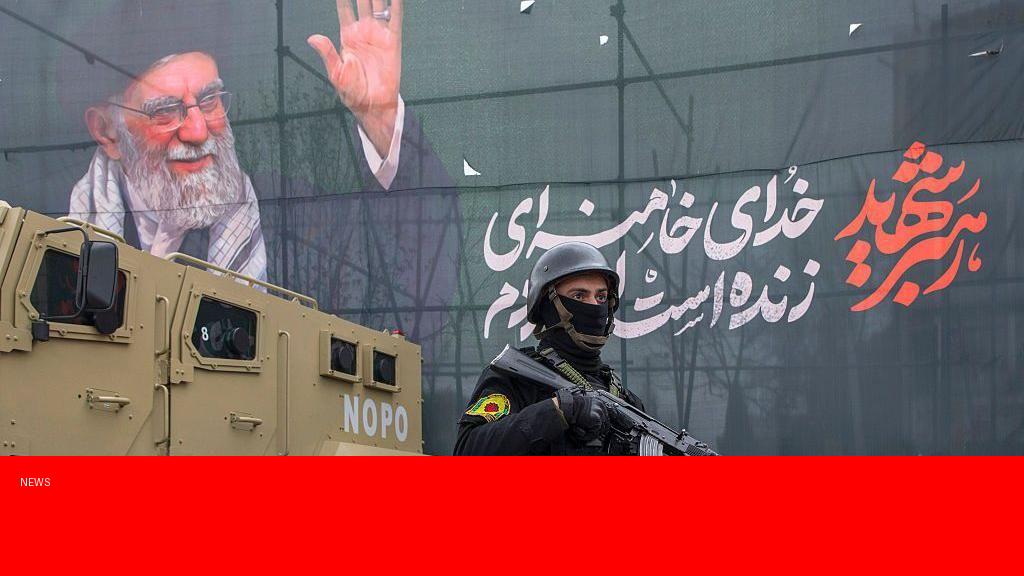
What happened
Iran has officially sent its response to the recent proposals put forward by the United States aimed at ending the ongoing conflict in the region. The Iranian government outlined its position and conditions for peace talks through a formal communiqué, signaling a cautious but open approach to negotiations. The response came after weeks of intensive diplomatic activity and international calls for a resolution to the war.
Why it matters
This development marks a critical moment in efforts to de-escalate tensions and move toward a peaceful resolution. Iran’s response could influence the broader geopolitical landscape, affecting regional stability and international relations, especially between Iran and Western countries. Successful negotiations could lead to the cessation of hostilities, humanitarian relief, and a framework for long-term peace, while failure may prolong conflict and instability.
Background
The war in question has involved multiple actors and has led to significant humanitarian and economic consequences. The United States recently proposed a set of peace measures, including ceasefire terms and frameworks for political dialogue. Iran, a key regional player, has historically maintained a complex stance toward foreign interventions and peace efforts. Previous negotiations have faced hurdles due to mutual distrust and divergent objectives.
Questions and Answers
Q: What are the main points Iran raised in its response to the US proposals?
A: Iran emphasized the need for respect for its sovereignty, security guarantees, and lifting of economic sanctions as prerequisites for advancing peace talks. It also called for inclusive regional dialogue involving all relevant stakeholders.
Q: How have US officials reacted to Iran’s response?
A: US officials have expressed cautious optimism, noting that Iran’s reply opens the door for further discussions but underscores the complexity of reaching a comprehensive agreement.
Q: What are the potential next steps following this response?
A: Diplomatic delegations from both sides are expected to engage in direct talks or utilize third-party mediators to refine the terms and explore viable pathways to peace.
Q: How might this affect the local populations affected by the war?
A: If progress leads to a ceasefire and peace agreement, it could facilitate humanitarian aid delivery, reconstruction efforts, and a return to normalcy for millions impacted by the conflict.
Source: https://www.bbc.com/news/articles/clypgz9e5pmo?at_medium=RSS&at_campaign=rss