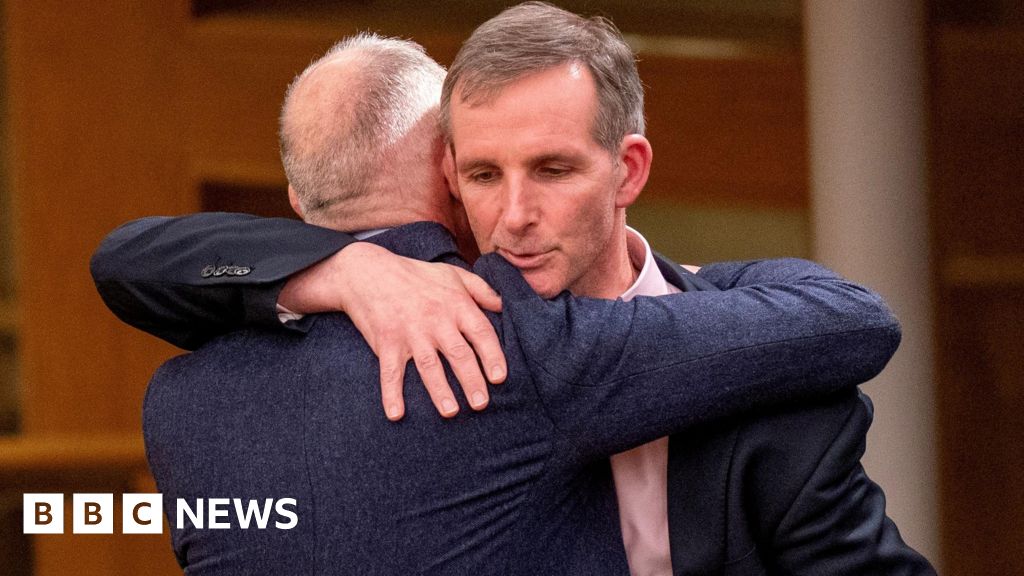
# Scotland’s assisted dying bill rejected after emotional Holyrood debate
**EDINBURGH** — A bill that would have legalised assisted dying for some terminally ill adults in Scotland has been rejected by MSPs after a deeply emotional debate at Holyrood, halting the latest attempt to change the law on end-of-life choices.
The proposal, brought forward as a members’ bill, sought to allow terminally ill, mentally competent adults to request medical assistance to end their lives under strict legal safeguards. But after hours of debate, lawmakers voted it down, with opponents arguing that the legislation did not provide sufficient protection for vulnerable people and supporters saying it would have offered compassion, dignity and choice to those facing unbearable suffering.
## What happened
The Scottish Parliament considered the assisted dying bill in one of the most closely watched and conscience-driven debates of the session. MSPs were given a free vote, meaning they were not instructed by party whips how to vote.
During the debate, members shared personal stories about relatives and constituents who had experienced painful deaths, while others warned of the risks of coercion, abuse and unintended consequences if the law were changed.
In the end, the bill failed to secure enough support to move forward, meaning the proposal will not become law in its current form.
## Why it matters
The vote is significant because it keeps Scotland’s existing ban on assisted dying in place and highlights the political and ethical difficulty of changing end-of-life law.
The issue has drawn strong feelings across Scotland and beyond, touching on questions of personal autonomy, medical ethics, disability rights, palliative care and the role of the state in decisions about death.
For supporters, the bill represented a chance to give terminally ill people more control over how and when they die. For opponents, its rejection was seen as necessary to protect vulnerable people, including those who may feel pressure to end their lives.
The result also means that any future effort to legalise assisted dying in Scotland will need to start over, likely after further public and political debate.
## Background
Assisted dying has been debated in Scotland for years, with previous attempts to change the law also failing to win parliamentary backing.
Under current law, euthanasia is illegal across the UK, and helping someone to die can carry serious criminal consequences. Campaigners in favour of reform have argued that the law leaves some terminally ill people to suffer unnecessarily or forces them to travel abroad to places where assisted dying is legal.
Opponents, including some faith groups, disability campaigners and medical voices, have consistently argued that legalisation could put pressure on elderly, disabled or seriously ill people and undermine investment in palliative and hospice care.
The debate in Scotland reflects a wider international discussion. Assisted dying or related forms of medically assisted death are legal in some countries and jurisdictions, but the rules differ widely over who qualifies and what safeguards are required.
## Reactions
Supporters of the bill expressed disappointment after the vote, saying Scotland had missed an opportunity to modernise the law and respond humanely to the wishes of dying people.
Opponents welcomed the result, describing it as a sign that parliament had listened to concerns about safeguarding and the potential impact on vulnerable groups.
The rejection is likely to fuel further campaigning on both sides, with advocates for reform expected to continue pressing for a new bill in the future.
## Q&A
### What was the bill trying to do?
It aimed to legalise assisted dying for certain terminally ill adults in Scotland, subject to eligibility criteria and legal safeguards.
### Did the bill become law?
No. MSPs rejected it after debate, so it will not proceed in its current form.
### Why was the debate so emotional?
Many lawmakers drew on personal experiences of death, terminal illness and family loss. The issue also raises profound moral, legal and medical questions.
### What are the arguments in favour?
Supporters say terminally ill people should have the right to choose a dignified death, avoid unnecessary suffering and exercise personal autonomy.
### What are the arguments against?
Opponents argue that legalising assisted dying could endanger vulnerable people, create pressure on the seriously ill and send the wrong message about disability, ageing and care.
### What happens next?
Scotland’s current law remains unchanged. Any attempt to legalise assisted dying in future would require a new legislative proposal and another parliamentary vote.