What happened
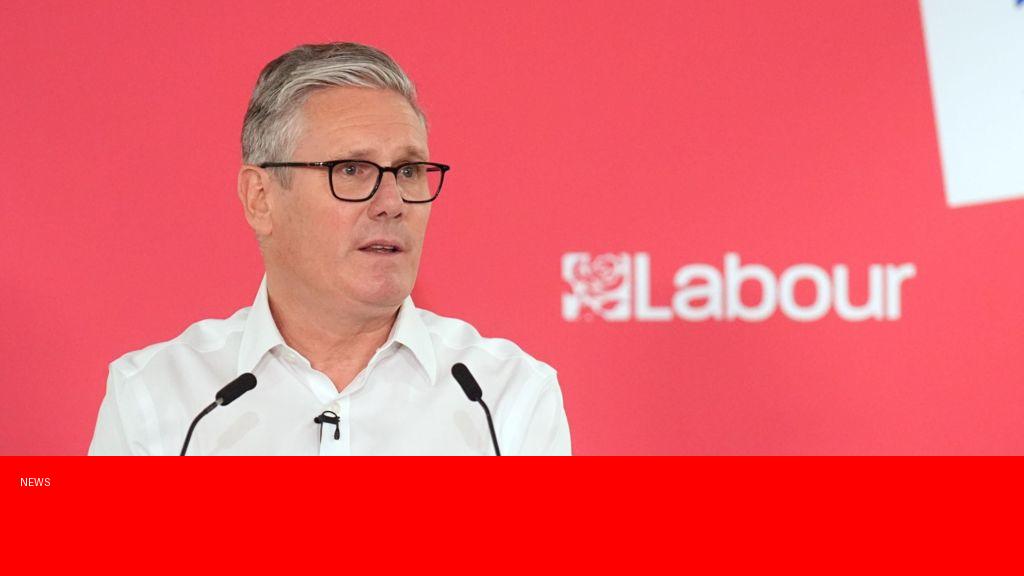
Keir Starmer, the leader of the UK Labour Party, has recently faced increasing pressure as public and political scrutiny intensifies over his performance and leadership style. Following a series of disappointing opinion polls and internal party unrest, questions have arisen about whether Starmer has done enough to consolidate his position as Prime Minister-in-waiting and secure his premiership. His strategic decisions on policy direction, party unity, and public engagement have come under detailed analysis in the media and political circles.
Why it matters
Starmer’s ability to strengthen his leadership directly impacts the future trajectory of the Labour Party and the UK’s political landscape. With the next general election approaching, the party’s success hinges on presenting a united front and convincing voters they represent a credible alternative to the Conservative government. If Starmer fails to address internal dissent or sway public opinion, it could prolong Conservative rule and delay policy reforms that many supporters expect. Conversely, a revitalized and stable Labour leadership could shift the balance of power and influence national policies on the economy, healthcare, and social justice.
Background
Keir Starmer became Labour leader in April 2020, succeeding Jeremy Corbyn after Labour’s significant defeat in the 2019 general election. Starmer promised to renew the party’s image, focusing on competence and electability. While initially popular, his leadership has been tested by various challenges, including the party’s stance on Brexit, handling of internal disagreements, and responses to Conservative policies. Recent opinion polls have indicated fluctuating public support for Labour, reflecting uncertainties about Starmer’s appeal and the party’s direction ahead of the next electoral contest.
Questions and Answers
Q: Has Keir Starmer shown clear progress in uniting the Labour Party?
A: Starmer has made efforts to bridge gaps within the party by promoting moderate voices and addressing internal conflicts, but some factions remain dissatisfied, signaling ongoing challenges to full unity.
Q: What key policies has Starmer introduced to appeal to voters?
A: Starmer has emphasized plans for economic recovery, healthcare improvements, and social equity, aiming to balance progressive ideals with pragmatic governance.
Q: How have public opinion polls affected Starmer’s leadership standing?
A: Fluctuating poll results have created pressure on Starmer to refine his messaging and policy priorities to boost Labour’s electability.
Q: Could leadership challenges arise if performance does not improve?
A: While there are no immediate signs of a leadership contest, prolonged dissatisfaction within the party could lead to challenges in the future.
Q: What is the outlook for Labour under Starmer going forward?
A: Much depends on Starmer’s ability to manage party dynamics and connect with voters; successful navigation of these issues could solidify his leadership ahead of the general election.
Source: https://www.bbc.com/news/articles/c3r2pr95yq0o?at_medium=RSS&at_campaign=rss