What happened
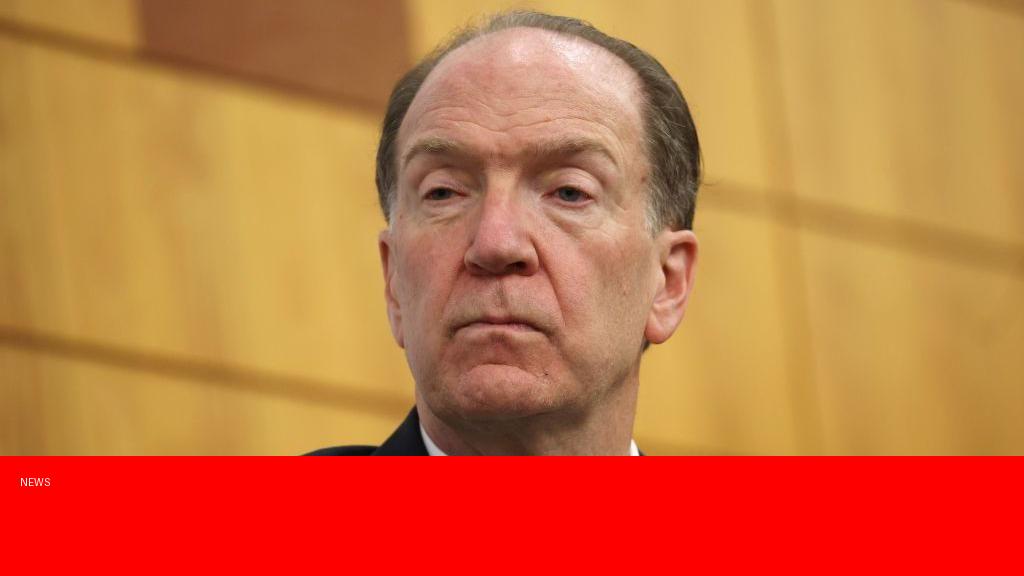
The former chief economist of the World Bank has urged China to stop hoarding food and fertiliser. He warned that China’s stockpiling practices are worsening global shortages and driving up prices, which could deepen food insecurity worldwide. The call comes amid rising concerns over disrupted supply chains and inflationary pressures affecting vulnerable populations, particularly in developing countries.
Why it matters
China is one of the world’s largest producers and consumers of both food and fertiliser. Its decision to stockpile large quantities of these essential resources can significantly distort global markets. This hoarding reduces availability for other countries, pushing up costs and threatening the affordability of food. Given the ongoing challenges from climate change, geopolitical tensions, and the lingering effects of the COVID-19 pandemic, ensuring fair distribution of food and fertiliser supplies is crucial to global stability, economic recovery, and preventing hunger crises.
Background
In recent years, China has implemented policies to secure its food and fertiliser supply chains, including stockpiling to guard against potential international disruptions. These measures accelerated during the pandemic and amid geopolitical uncertainties. However, such protectionist actions have drawn criticism from economists and international organizations who argue that they contribute to supply shortages and market volatility. The World Bank and United Nations have repeatedly stressed the need for cooperative global strategies to manage food security and fertilizer distribution sustainably.
Questions and Answers
Q: Why is China hoarding food and fertiliser?
A: China is stockpiling food and fertiliser as a precautionary measure to protect itself against potential international supply chain disruptions and geopolitical uncertainties.
Q: How does China’s stockpiling affect global markets?
A: By holding large reserves, China reduces the availability of these resources for other countries, leading to increased prices and heightened market volatility.
Q: What are the risks of China continuing this practice?
A: Continued hoarding could exacerbate global shortages, increase food insecurity in vulnerable regions, and hinder economic recovery efforts worldwide.
Q: What solutions have been proposed to address this issue?
A: Experts advocate for greater international cooperation, transparency in stockpiling practices, and coordinated policies to stabilize food and fertiliser markets globally.
Q: How might this affect consumers in developing countries?
A: Higher prices and reduced availability of food and fertilisers may lead to increased hunger and economic hardship among vulnerable populations in developing nations.
Source: https://www.bbc.com/news/articles/cwy2rnyg50zo?at_medium=RSS&at_campaign=rss