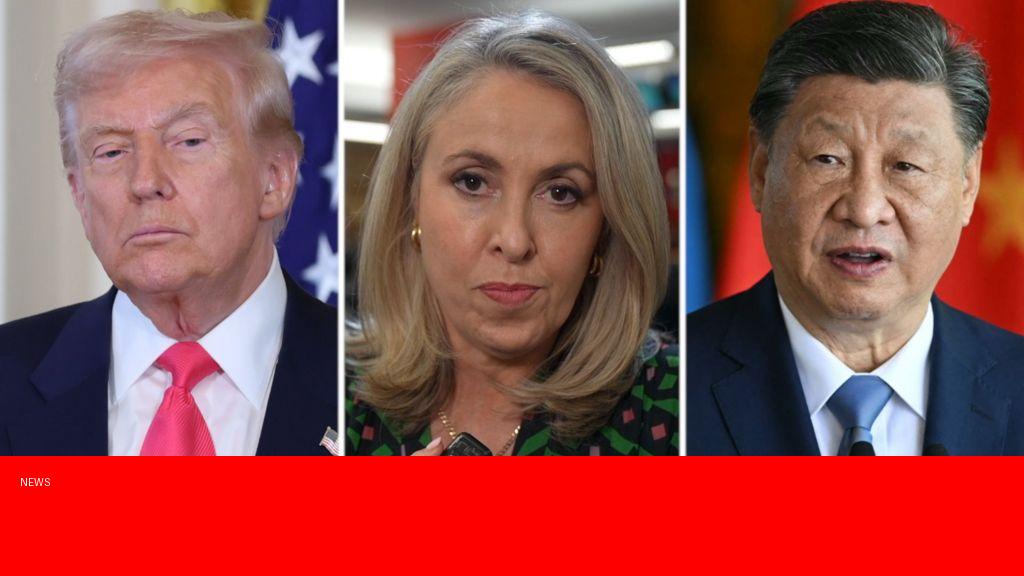
What happened
Tensions between former U.S. President Donald Trump and Chinese President Xi Jinping have intensified amid ongoing geopolitical disputes and trade disagreements. Both leaders have publicly asserted strong positions on issues such as trade tariffs, technology competition, and military presence in the Asia-Pacific region. Recent statements and policy moves suggest a renewed rivalry, with Trump criticizing Xi’s handling of global affairs and Xi emphasizing China’s sovereignty and strategic ambitions.
Why it matters
The escalating competition between Trump and Xi carries significant implications for global stability, international trade, and diplomatic relations. As the United States and China remain the two largest economies, their confrontations affect stock markets, supply chains, and security alliances worldwide. Understanding who holds the upper hand in this complex relationship is crucial for policymakers, businesses, and citizens who rely on predictability in international affairs.
Background
Donald Trump’s presidency marked a shift toward a more confrontational U.S. stance on China, focusing on trade deficits, intellectual property concerns, and military challenges. Xi Jinping, since becoming China’s leader, has pursued policies aimed at strengthening China’s global influence through initiatives like the Belt and Road and military modernization. The dynamic between these two leaders has been a defining factor in recent U.S.-China relations, shaping the economic and strategic landscape.
Questions and Answers
Q: Who currently holds the upper hand in the Trump vs Xi rivalry?
A: While both leaders command significant influence, Xi Jinping appears to have a strategic advantage due to China’s growing economic power and expanding global alliances, though Trump’s political influence in the U.S. continues to shape Sino-American interactions.
Q: How do their respective policies affect global markets?
A: Trade tariffs and sanctions introduced under Trump’s administration caused disruptions in global supply chains, which continue to affect markets. Xi’s emphasis on self-reliance and technological advancement aims to mitigate these effects while expanding China’s market reach.
Q: Could this rivalry lead to military conflict?
A: Although tensions exist, both sides have expressed interest in avoiding direct military confrontation. However, increased military presence and assertiveness in contested regions raise the risk of accidental clashes.
Q: What role do other countries play in this rivalry?
A: Many countries balance their relations between the U.S. and China, often aligning based on economic or security interests. Alliances like NATO and partnerships in the Indo-Pacific are critical factors influencing the dynamics between Trump’s and Xi’s policies.
Source: https://www.bbc.com/news/videos/cj0py2jvzljo?at_medium=RSS&at_campaign=rss