What happened
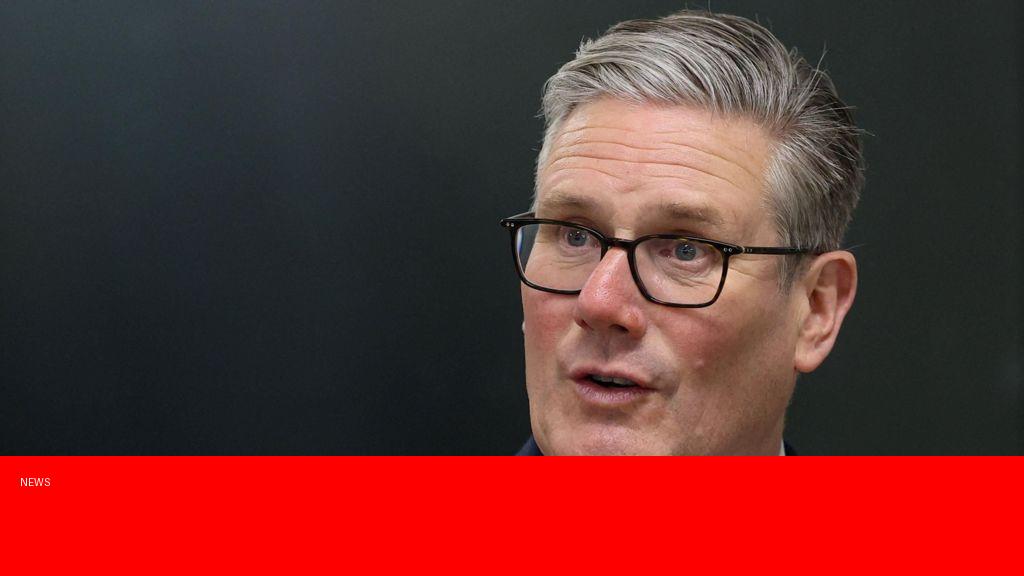
Keir Starmer, leader of the UK Labour Party, has pledged a series of significant changes in an effort to secure his leadership amid growing internal party unrest. Facing mounting criticism and calls for his resignation, Starmer outlined a renewed vision focused on uniting the party and improving its electoral prospects. His announcement included promises to reform party structures and address policy disputes that have fueled dissent among Labour members and MPs. Starmer also issued cautionary warnings about the potential chaos and electoral setbacks that could follow if Labour fails to maintain strong leadership.
Why it matters
Starmer’s commitment to change comes at a critical juncture for Labour, which is striving to regain public trust ahead of the next general election. The leader’s ability to manage internal divisions and present a cohesive platform will be pivotal in determining the party’s future success. Failure to stabilize the party risks alienating voters and losing key parliamentary seats, potentially prolonging Conservative rule. Conversely, effective leadership could revitalize Labour’s standing and increase its chances of forming a government.
Background
Since assuming leadership in 2020, Keir Starmer has faced fluctuating support from party members and MPs. While initially seen as a unifying figure following Jeremy Corbyn’s contentious tenure, Starmer’s leadership style and policy decisions have sparked debate within Labour ranks. Disagreements have centered on issues such as the party’s approach to Brexit, economic strategy, and responses to social issues. These internal conflicts have occasionally spilled into the public arena, undermining party cohesion and raising questions about Labour’s readiness to lead.
Questions and Answers
Q: What specific changes has Keir Starmer proposed to save his leadership?
A: Starmer has proposed structural reforms within the Labour Party to enhance unity and streamline decision-making, alongside policy recalibrations to better align with voter expectations.
Q: How have Labour members reacted to Starmer’s latest pledge?
A: Reactions have been mixed; some members express cautious optimism about the promised reforms, while others remain skeptical and continue to call for more substantial leadership changes.
Q: Why does Starmer warn of chaos if Labour’s leadership is undermined?
A: He believes that internal discord could fracture the party, jeopardize election readiness, and confuse voters, ultimately harming Labour’s chances against the Conservative Party.
Q: When is the next general election expected to take place, influencing these leadership dynamics?
A: The next UK general election is scheduled to occur by January 2025, making effective leadership and party unity essential in the lead-up period.
Source: https://www.bbc.com/news/articles/c392djn3zzdo?at_medium=RSS&at_campaign=rss