What happened
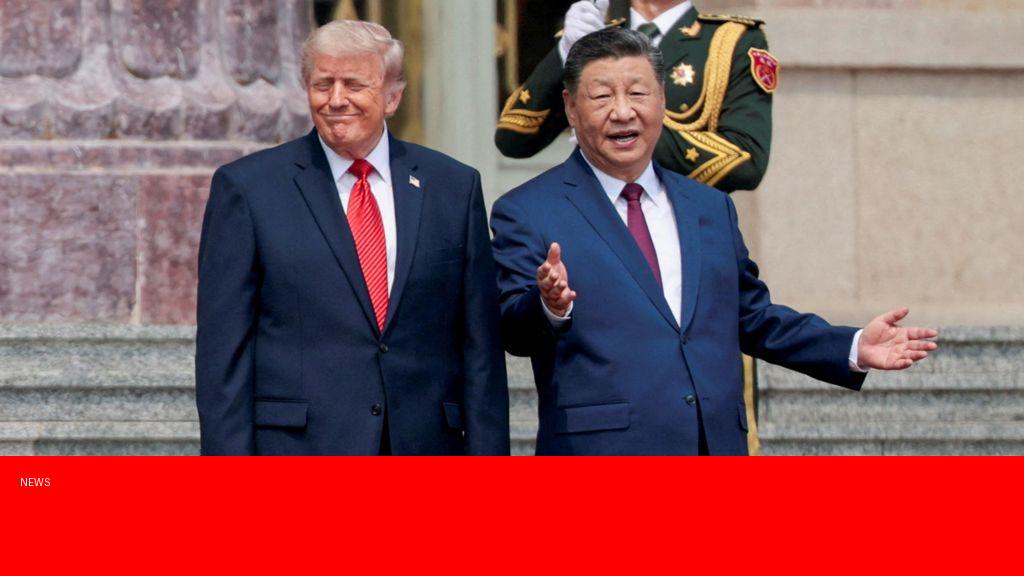
Former U.S. President Donald Trump was welcomed to China with notable flattery and fanfare during a high-profile visit intended to ease tensions between the two global powers. Chinese officials extended a warm reception, highlighting shared interests and emphasizing the importance of bilateral cooperation. However, despite the cordial atmosphere, significant disagreements on trade, technology, and regional security remain unresolved, underscoring the complexities of the U.S.-China relationship.
Why it matters
This visit marks a strategic attempt to improve strained relations between the United States and China amid ongoing economic rivalries and geopolitical competition. Positive engagement could pave the way for more constructive dialogue, potentially impacting global markets, supply chains, and diplomatic efforts on critical issues like North Korea and climate change. Yet, the persistence of thorny issues indicates that any progress will require sustained negotiation and compromise, affecting international stability and economic growth.
Background
U.S.-China relations have been fraught with tension in recent years, marked by trade wars, sanctions, and disputes over technology theft and intellectual property. The two nations also differ on human rights and territorial claims in the South China Sea. Trump’s presidency saw a confrontational approach, which China often criticized. The current visit is seen as an effort to reset ties and find common ground after years of rivalry and mutual suspicion, reflecting a broader international interest in managing the dynamics between the world’s two largest economies.
Questions and Answers
Q: What was the tone of China’s reception for Trump during his visit?
A: China welcomed Trump with notable flattery and fanfare, signaling openness to dialogue despite underlying tensions.
Q: What are the key issues that remain unresolved between the U.S. and China?
A: Major issues include trade imbalances, technology and cybersecurity concerns, and regional security disputes, particularly in the South China Sea.
Q: Why is Trump’s visit significant to global affairs?
A: The visit could influence economic stability and diplomatic relations globally by potentially easing U.S.-China tensions and promoting cooperation on shared challenges.
Q: How has the relationship between the U.S. and China evolved in recent years?
A: Relations have been tense, characterized by trade conflicts, political differences, and competition for global influence, with efforts now underway to improve communication and reduce friction.
Source: https://www.bbc.com/news/articles/cdxpypg9dgeo?at_medium=RSS&at_campaign=rss