What happened
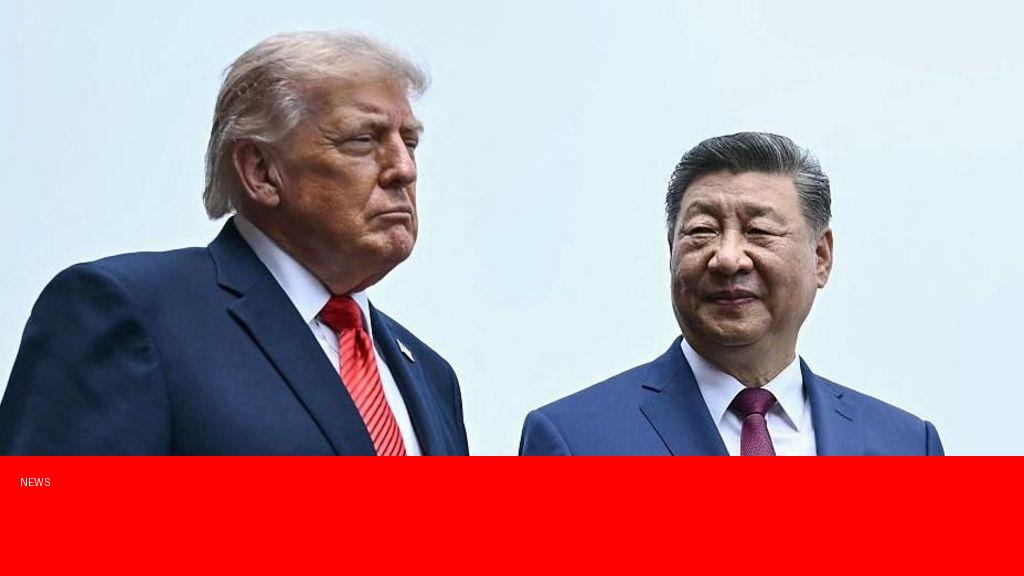
U.S. President Donald Trump and Chinese President Xi Jinping held high-level talks during the recent international summit. Despite extensive discussions on trade issues, the two leaders did not reach a formal trade agreement. Both sides expressed a willingness to continue negotiations but acknowledged significant differences remained on key tariffs and market access.
Why it matters
The lack of a trade deal between the world’s two largest economies prolongs uncertainty in global markets, affects multinational supply chains, and continues to impact industries in both countries. Businesses and investors had hoped for a breakthrough that might ease tariffs and boost economic growth. Continued tensions could lead to further retaliation, affecting consumers and economic stability worldwide.
Background
The U.S.-China trade relationship has been strained for several years, with disputes over tariffs, intellectual property rights, and trade imbalances. Since 2018, both countries have imposed tariffs on billions of dollars’ worth of goods. Previous attempts at negotiations led to partial agreements, but a comprehensive trade deal has remained elusive. The recent meeting was seen as an opportunity to advance talks, but fundamental disagreements persist.
Questions and Answers
Q: Did Trump and Xi agree on any trade issues during their talks?
A: While they acknowledged ongoing dialogue and made some positive statements, no concrete agreement on trade issues was finalized.
Q: What are the main points of contention in the U.S.-China trade talks?
A: Key disputes include tariff rates, intellectual property protections, technology transfers, and market access for businesses.
Q: What could happen next in the trade negotiations?
A: Both sides indicated a willingness to continue discussions, but prospects for a near-term deal remain uncertain, and tariffs are likely to remain in place for the foreseeable future.
Source: https://www.bbc.com/news/articles/clypj01189lo?at_medium=RSS&at_campaign=rss